Couchbase x Medblocks - Building a NoSQL FHIR Server
We walk you through building a FHIR server on top of Couchbase's NoSQL database, covering challenges, technical decisions, architecture, and local setup.
We believe healthcare deserves better software. Follow our journey building open infrastructure for the future of health.
We walk you through building a FHIR server on top of Couchbase's NoSQL database, covering challenges, technical decisions, architecture, and local setup.
Explore how FHIR compares to XDS in healthcare data sharing and what it means for interoperability between hospitals and clinics.
Learn how FHIR uses semantic versioning to manage updates, ensure compatibility and support smooth transitions between healthcare data standards like R4 and R5.
Curious how FHIR is used and who’s adopting it? Here are real-world examples of how FHIR is reshaping healthcare across the globe.
A journey through 30 years of healthcare interoperability from costly 1980s interfaces to modern FHIR APIs following HL7's evolution to web-friendly resources.
Learn when FHIR was created, why HL7 developed it, and how it transformed healthcare data interoperability across the industry.
Understand how FHIR resources like Patient, Observation, and Medication enable smooth, standardized healthcare data exchange.
Here we explore a real-world project we did with GE HealthCare, where we tackled the challenges of data normalization in oncology care.
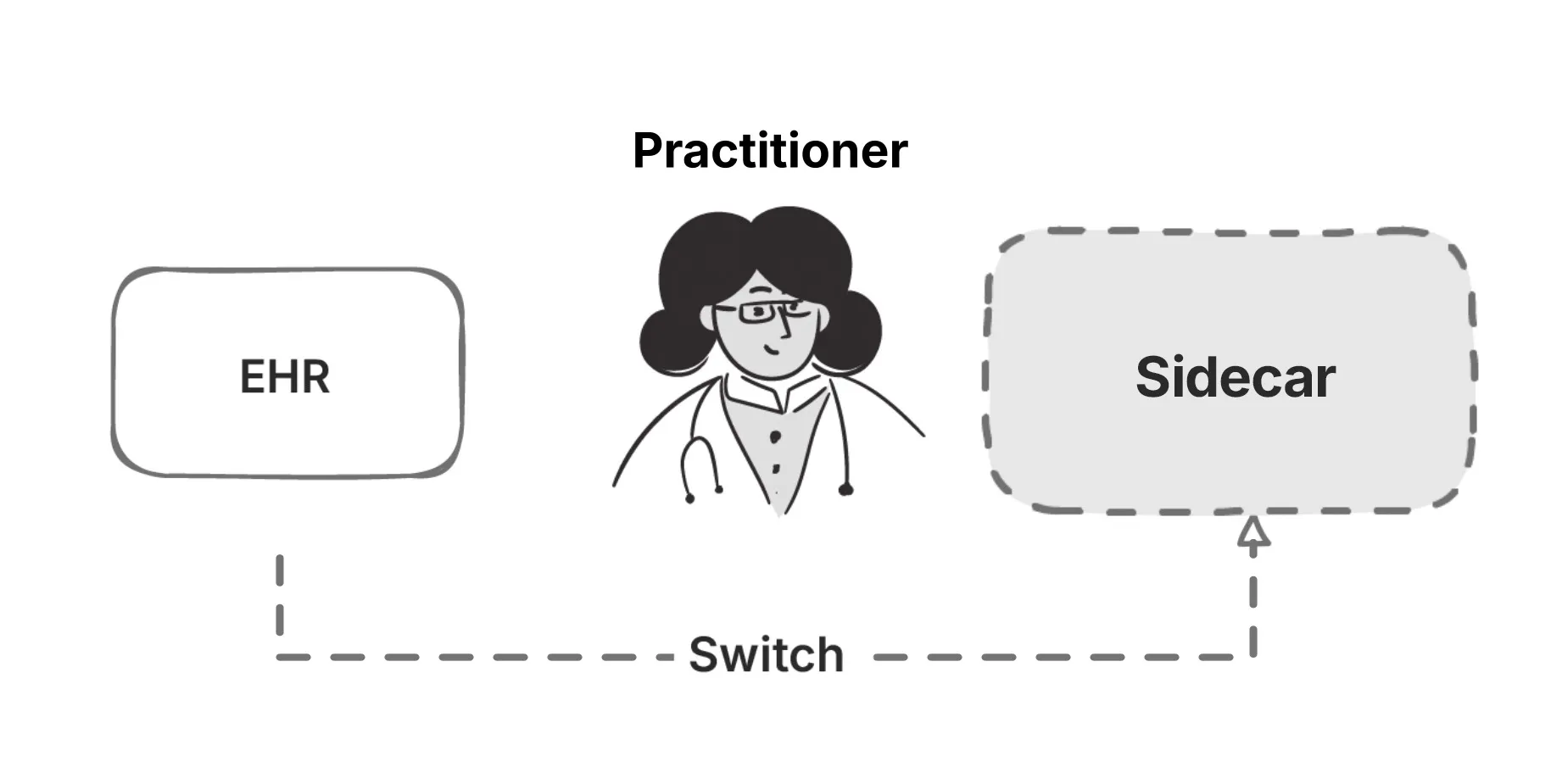
EHR sidecars have a long history of filling gaps that core EHRs couldn't. Learn how sidecars started, evolved, and why they're still relevant today.
While open standards set the rules, open source gets the work done. Discuss choosing tools, handling semantics and making health systems interoperable.
Breaking down the Top 10 FHIR tools every developer should know in 2025, from building and hosting servers to validating, profiling, and testing data.
In this article we’re breaking down the 12 most essential FHIR resources you need to know when starting out.
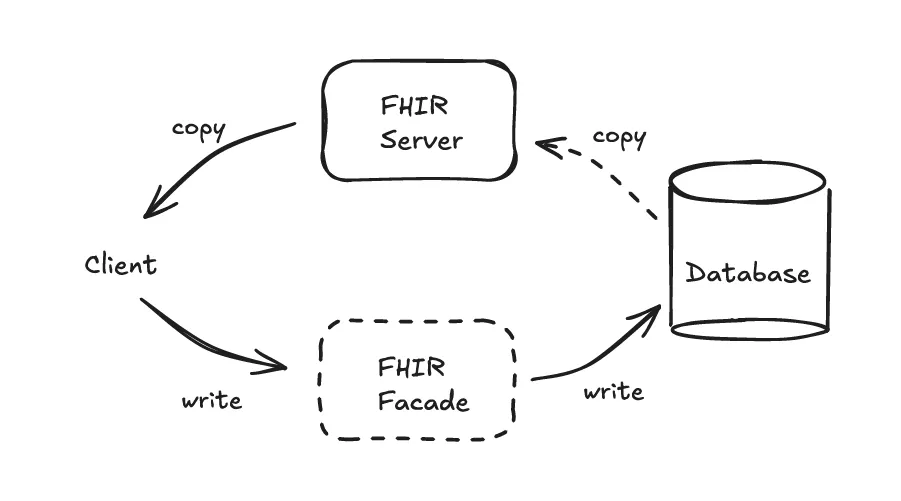
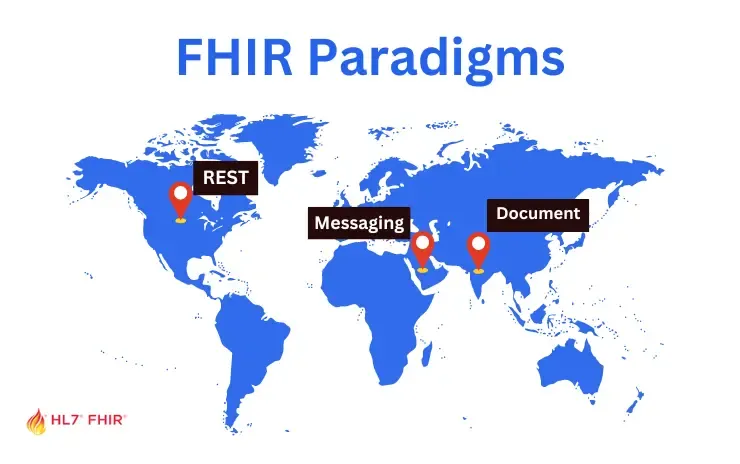
Assess three approaches to implementing RESTful FHIR servers - Facade, Synchronization and Hybrid. Also explore FHIR Documents and Messaging paradigms.
Deploy your patient-facing FHIR app across Epic hospitals in just 48 hours. We demystify Epic's Automatic Client Record Distribution process easily.
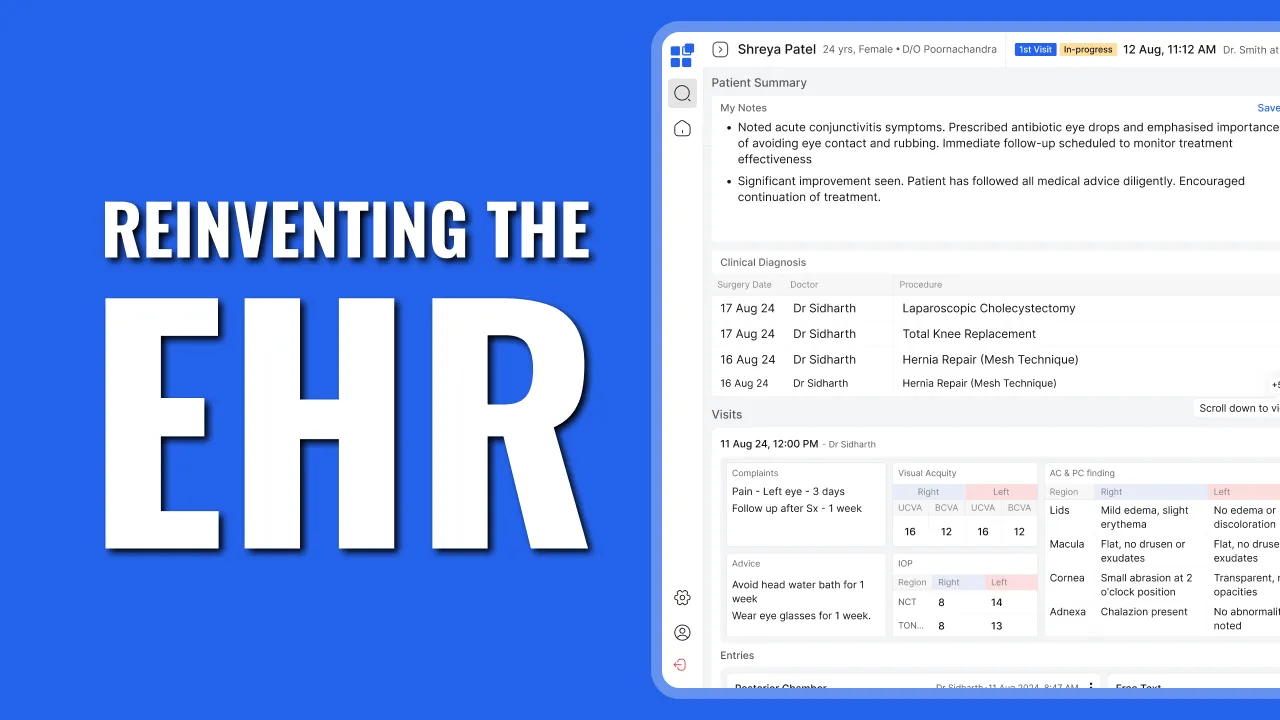
What does it take to build a truly modern EHR? Conversation with Health Samurai CTO Nikolai Ryzhikov exploring the path to modular, FHIR-first platforms.
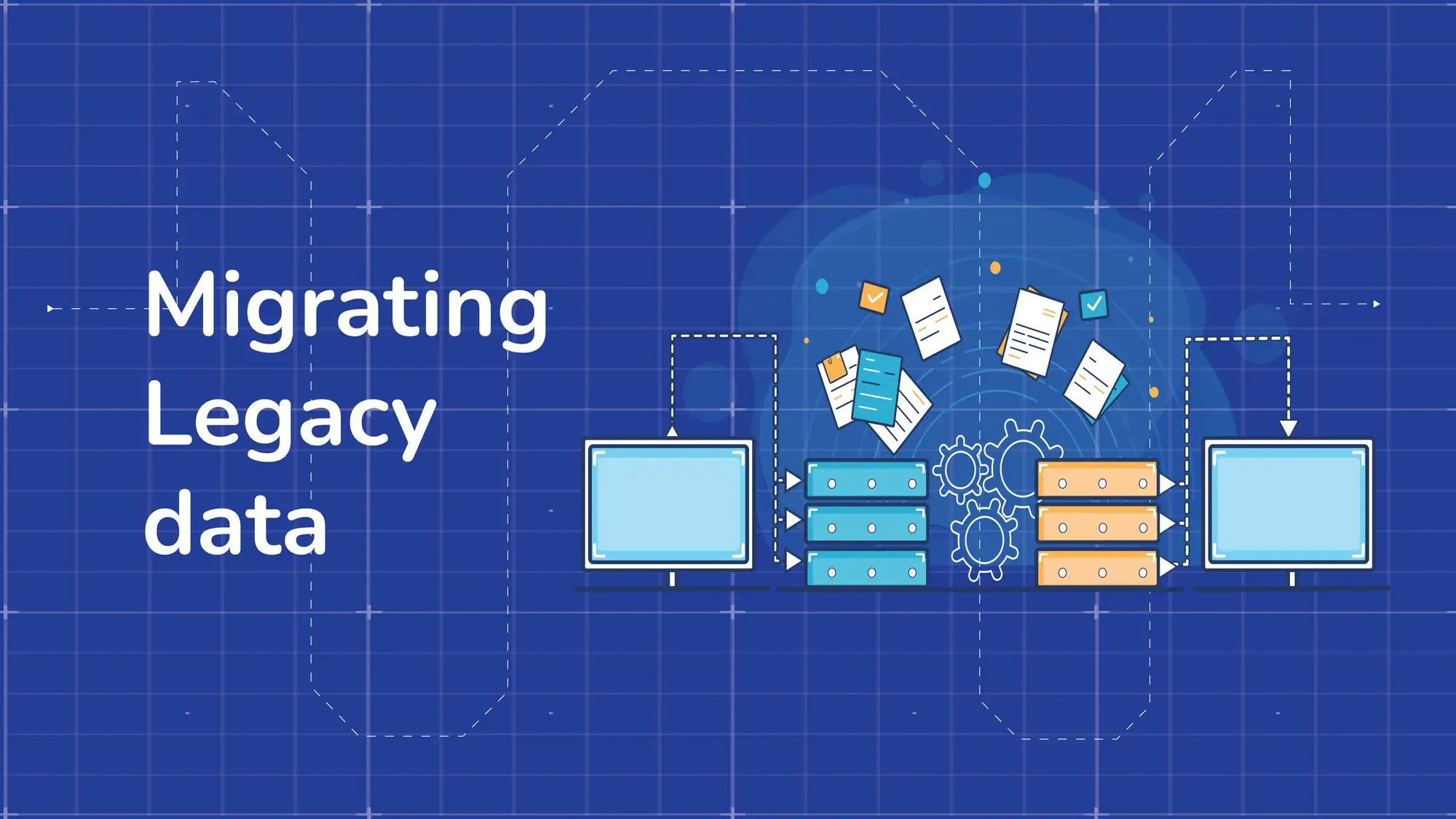
A 'facade' could solve your legacy data's FHIR-compatibility woes. This tutorial shows how to create a FHIR Facade on a Postgres database using Python.
This hands-on guide shows how to code using the HAPI FHIR library in Java, create real FHIR apps, work with Resources and interact with REST APIs.
This guide explores performing real-world operations like creating, reading, updating, and deleting patient data on a FHIR Server using Python.
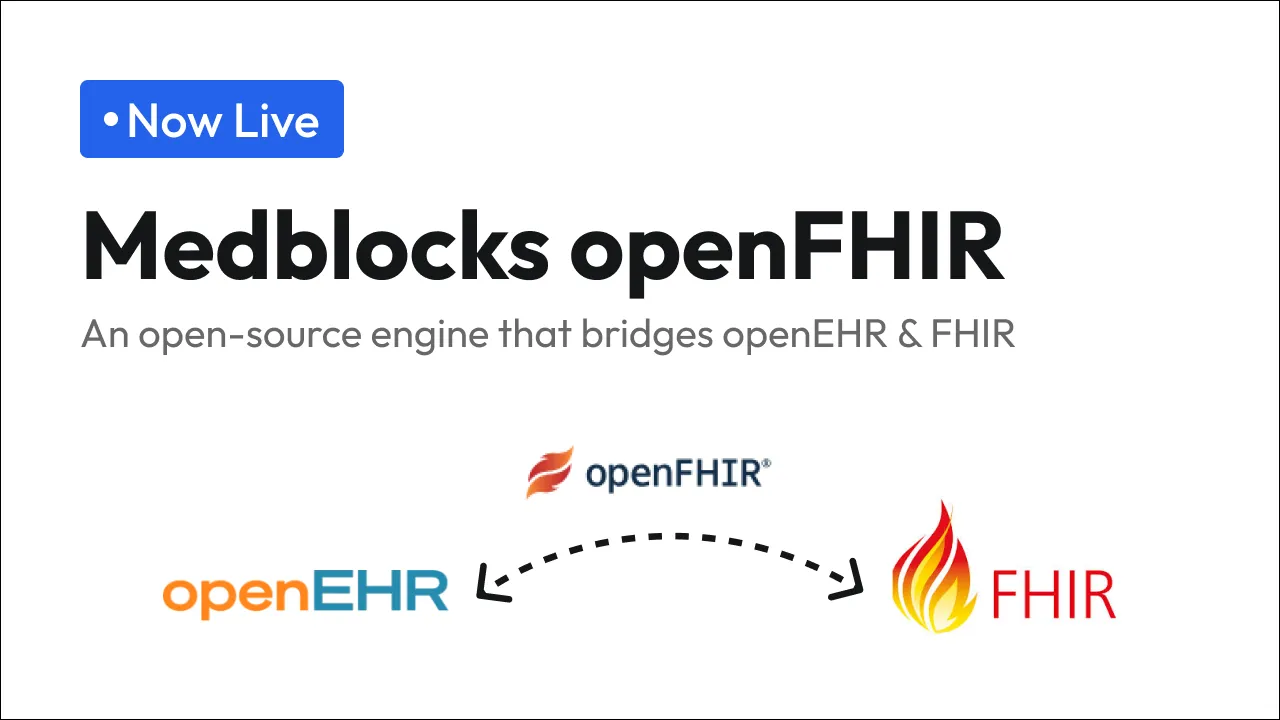
Introducing openFHIR, an open-source bidirectional mapping engine converting between openEHR and FHIR standards. Built on FHIRConnect, Apache 2.0.
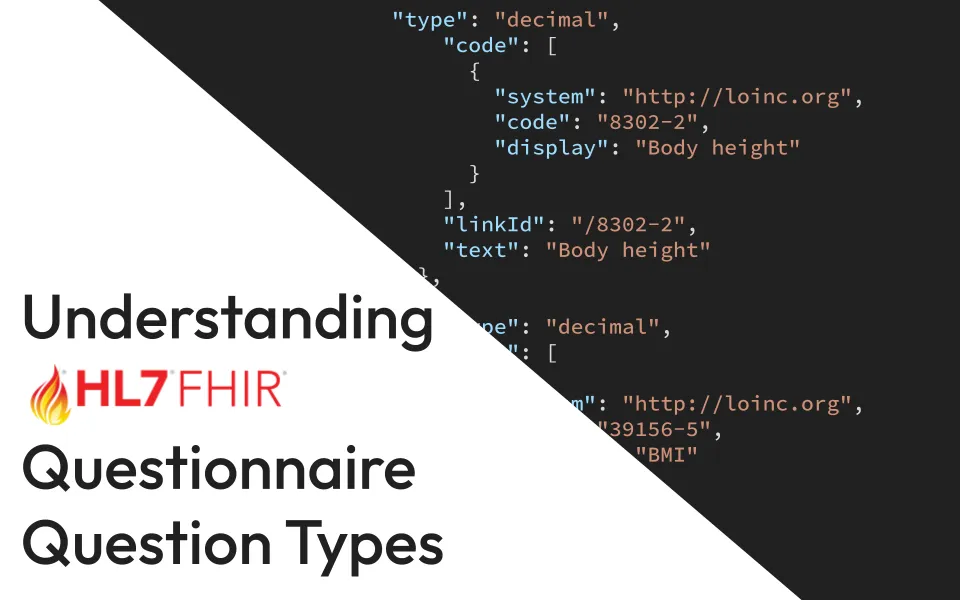
FHIR's Questionnaire resource is a great way to build scalable and interoperable forms. Using the right question types can make or break your form data quality.
Health IT has various standards, and choosing the right one is often confusing. Understand the differences clearly to select the right standard.
Apply fundamentals from 'Patient App Integration with SMART on Epic' and code a fully functional application to build more SMART apps of your own.
Healthcare apps rely on SMART on FHIR, a framework transforming healthcare. Learn how it works and build your SMART-powered health app from scratch.
With LLMs and AI coding tools, building healthcare apps is no longer just for seasoned programmers. An introduction to building FHIR web apps for beginners.
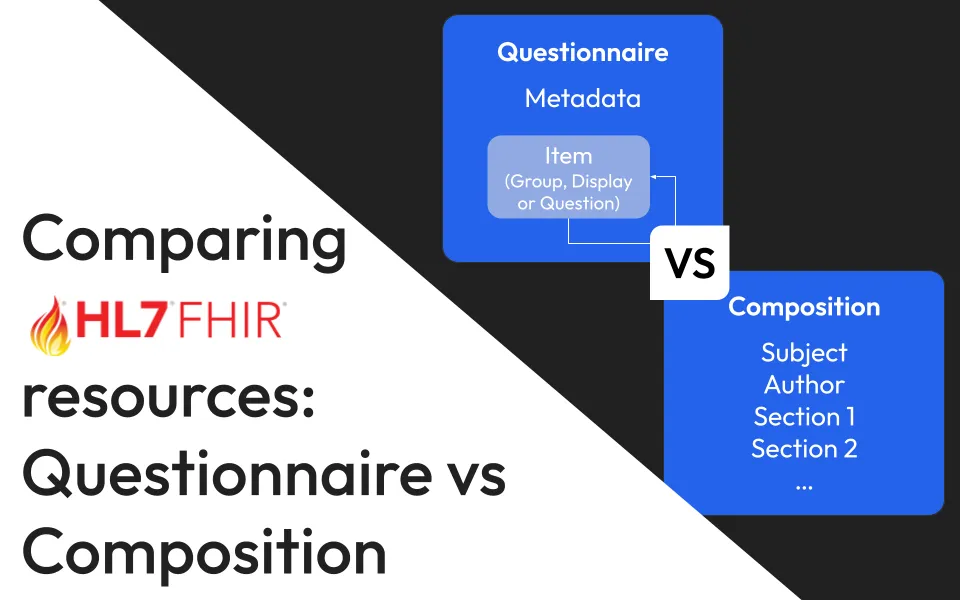
One organizes existing health data and the other gathers new inputs. Which is which? Do you need both? Read on to find out.
Explore Medblocks' patient management solution powered by FHIR APIs, optimizing hospital workflows with user-centered design and vendor-neutral approach.
Is it possible to have healthcare forms that comply with a unified standard? Explore FHIR's Questionnaire resource, a step in the right direction.
Grahame Grieve, "father of FHIR," joins the Digital Health Hackers podcast with updates on global adoption and ongoing stumbling blocks to data sharing.
Traditional healthcare software development has significant drawbacks. A platform with standardized features and extensible features might be the right answer.
Walkthrough on how to configure HAPI FHIR to do profile validation for you, and few fundamental concepts of FHIR Profiles.
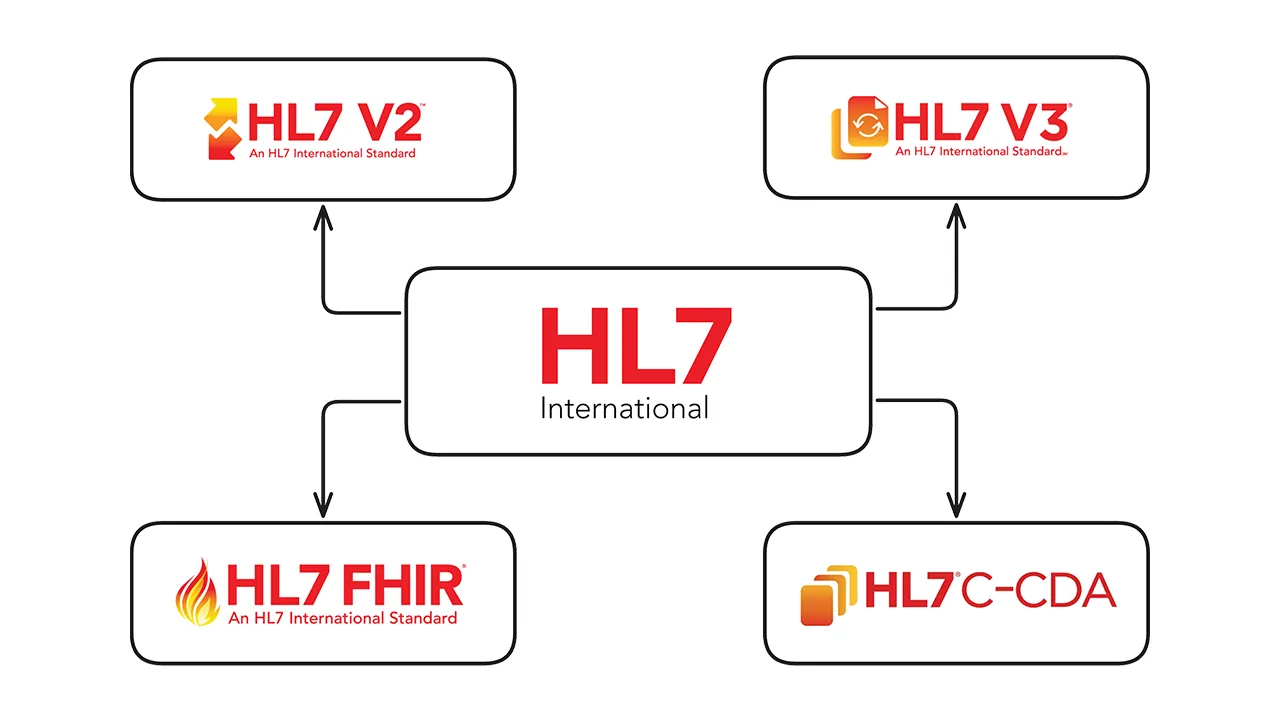
Discover why FHIR is changing healthcare IT. Learn its advantages over HL7 v2, C-CDA and v3, its rapid adoption, and simplified data exchange.
Learn 5 Key HL7 FHIR Concepts - Resources, Data Elements, Profiles, Exchange Paradigms, and Implementation Guides.
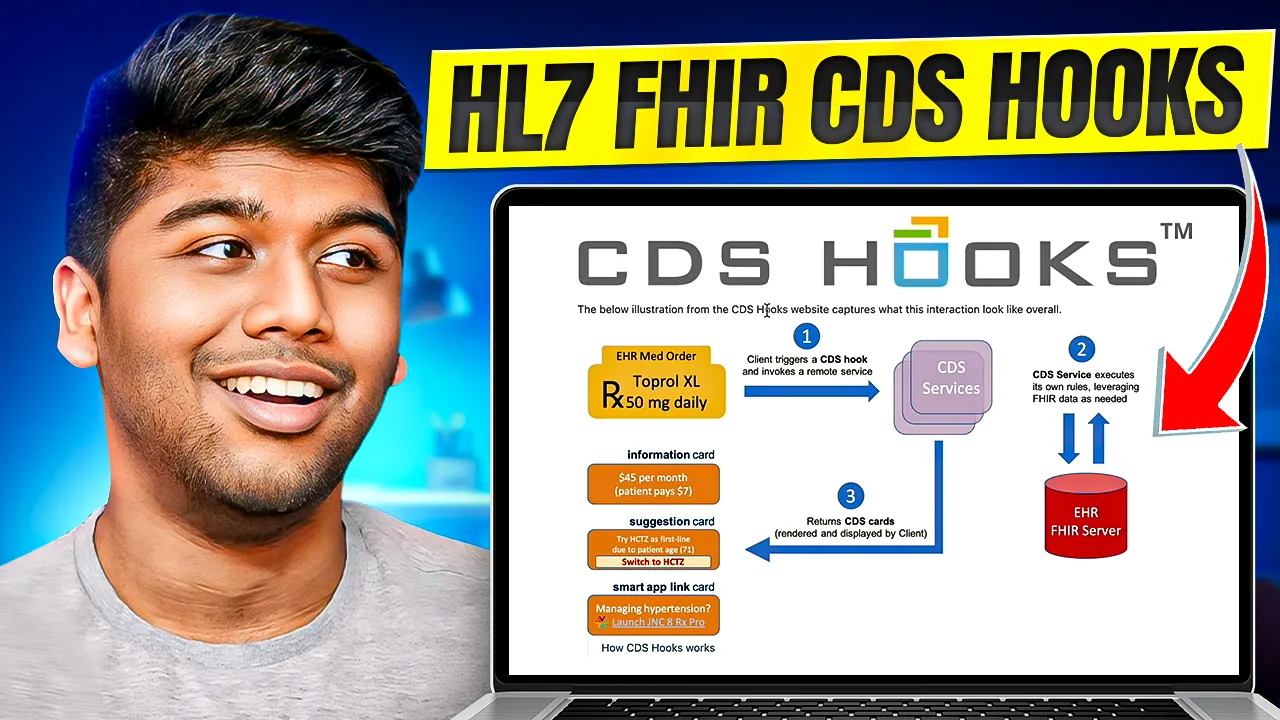
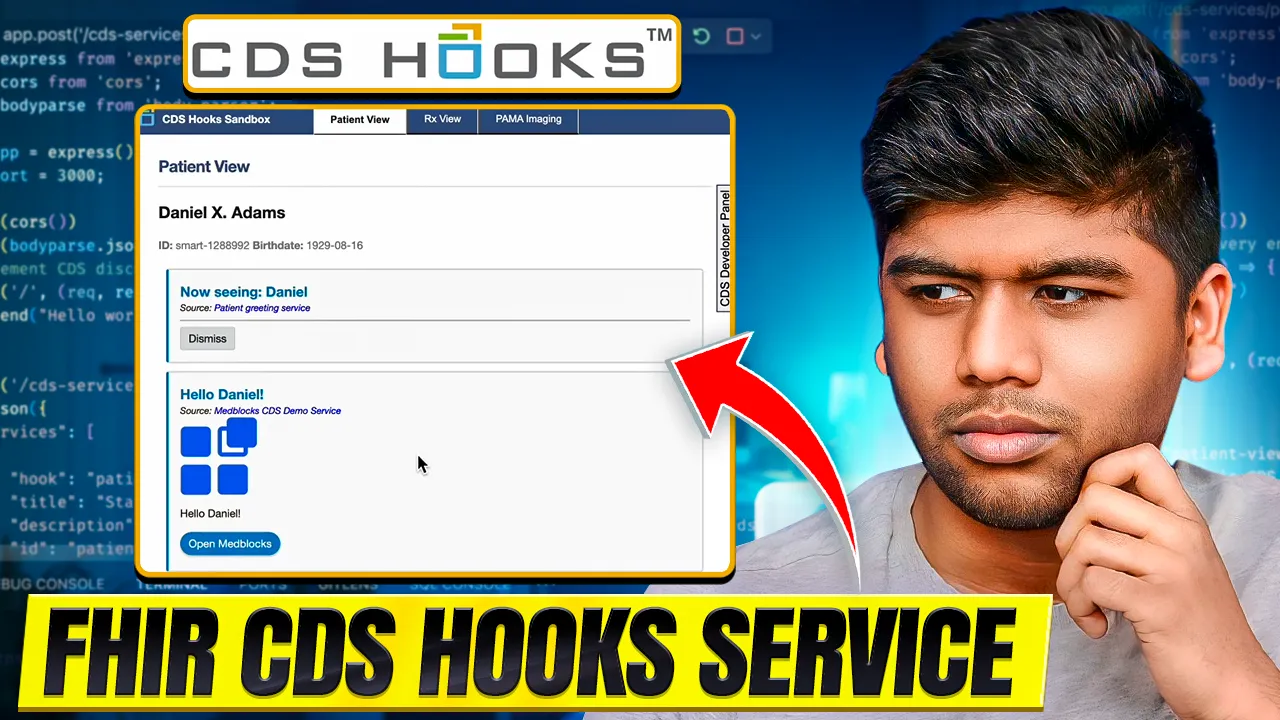
Follow along and create your first HL7 FHIR CDS Hooks Service using NodeJS and the CDS Hooks Sandbox in less than 10 minutes.
HL7 CDS Hooks is a specification by HL7 that enables EHRs to integrate Clinical Decision Support using RESTful HTTP APIs.
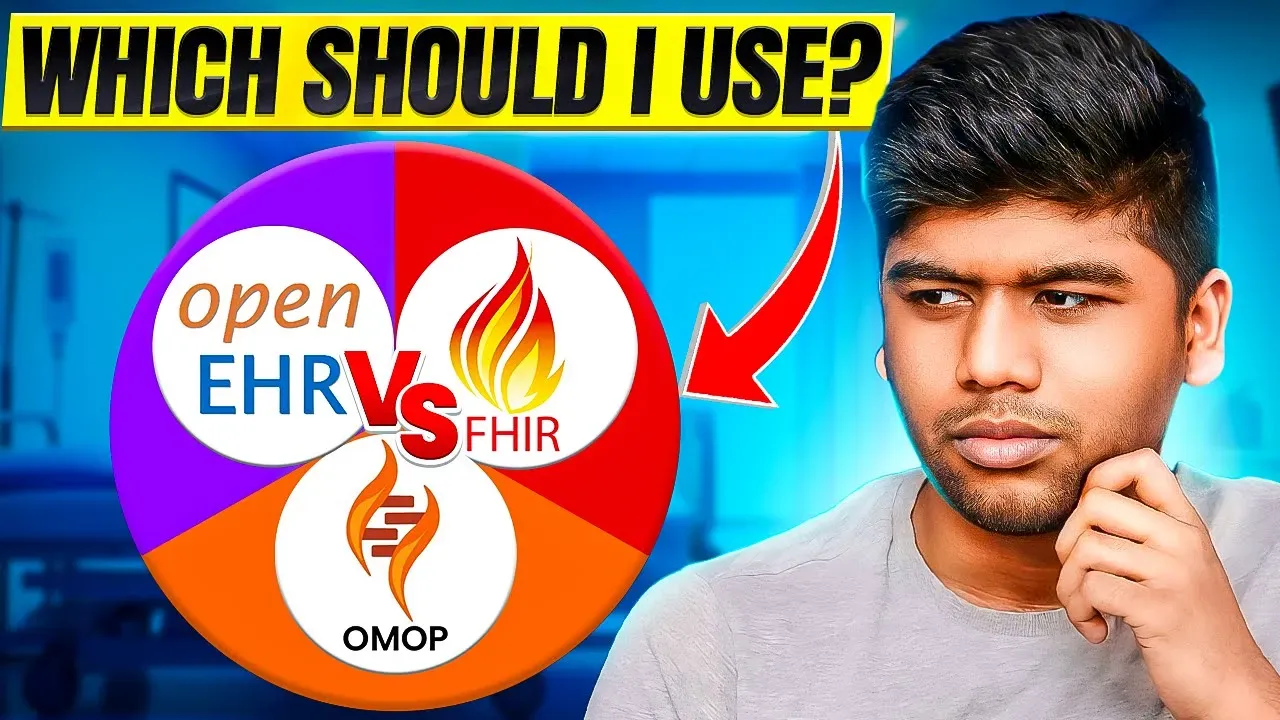
Each domain has its own best-suited standard: FHIR, openEHR, and OMOP respectively. There's an art to picking the standard for the data use case.
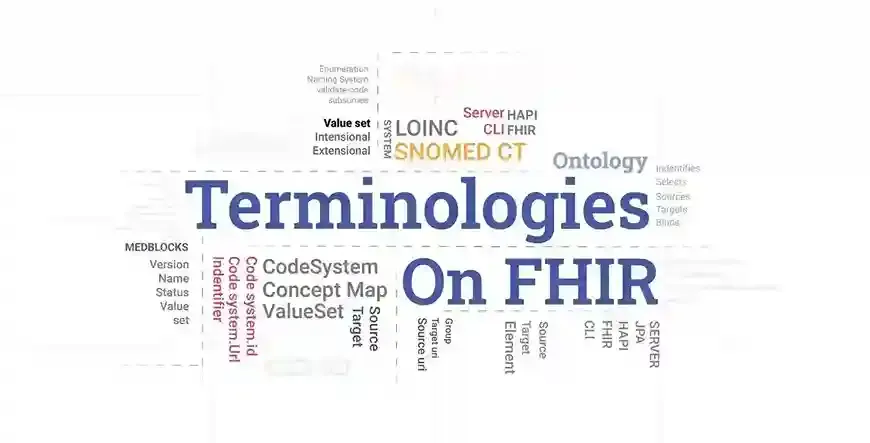
The FHIR terminology service offers functions derived from a collection of CodeSystem, ValueSet, and ConceptMap resources.
Learn to create FHIR patient resources: Navigate HL7, use JSON schemas and code with VS Code for seamless development and healthcare interoperability.
FHIR boosts healthcare data exchange, linking clinical, admin, and research via EHR, REST, Documents, Messages, and Services.
ETL (Extract, Transform, Load) moves data from legacy systems to FHIR, using Apache Debezium and Nifi for syncing databases in FHIR format.
SMART on FHIR enables health apps to connect with EHRs securely, including OAuth2 and OpenID for authorization. It supports standalone and EHR app launches.
CMS's Patient Access Rule mandates HL7 FHIR API for data access, provider directory, payer-to-payer exchange, and daily federal-state data exchanges.
SMART on FHIR defines two ways in which clients can authenticate - symmetric (shared secret) and asymmetric (public key) client authentication.
FHIR leads healthcare interoperability, enabling secure data exchange. CMS/ONC initiatives like Blue Button 2.0 and BCDA utilize FHIR for Medicare data.