Karolinska Tip2Toe: Structured Rare-Disease Phenotyping with SMART on openEHR
This project breakdown looks at how we built Tip2Toe, a rare disease phenotyping application for Karolinska University Hospital.
We believe healthcare deserves better software. Follow our journey building open infrastructure for the future of health.
This project breakdown looks at how we built Tip2Toe, a rare disease phenotyping application for Karolinska University Hospital.
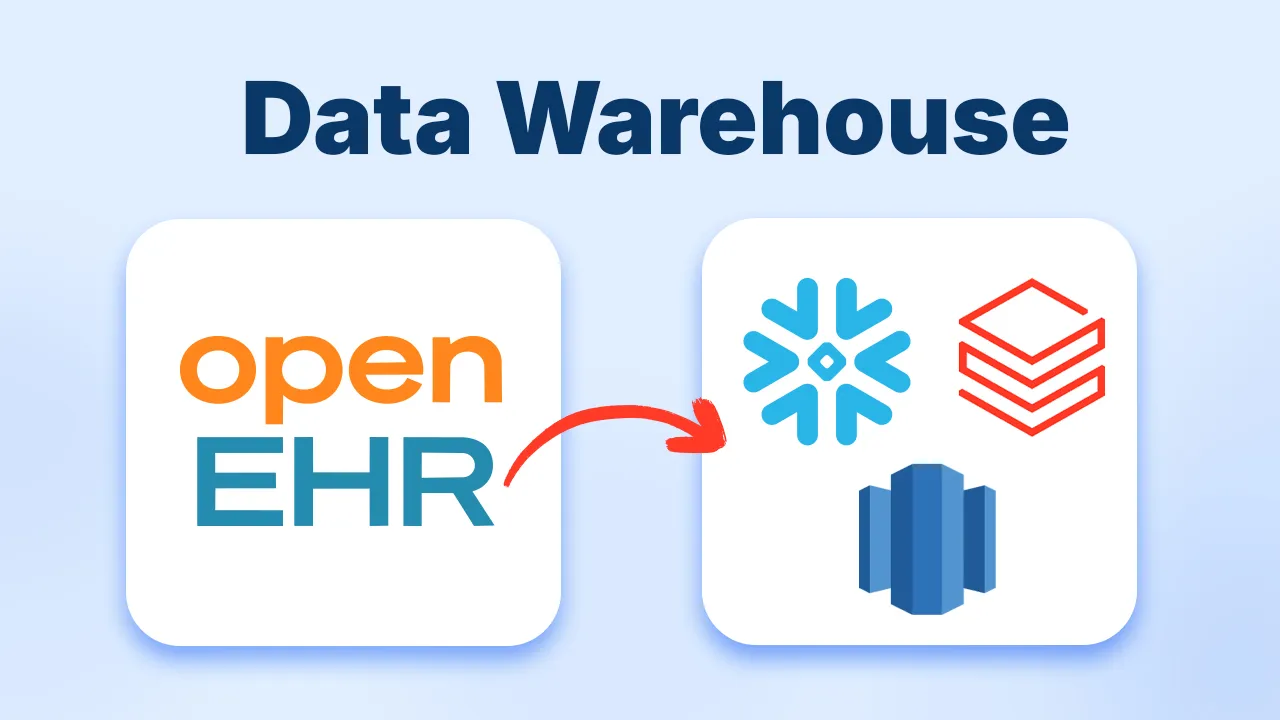
Why openEHR works better as a silver layer in your data warehouse than as a CDR, and what that means for clinical data at scale.
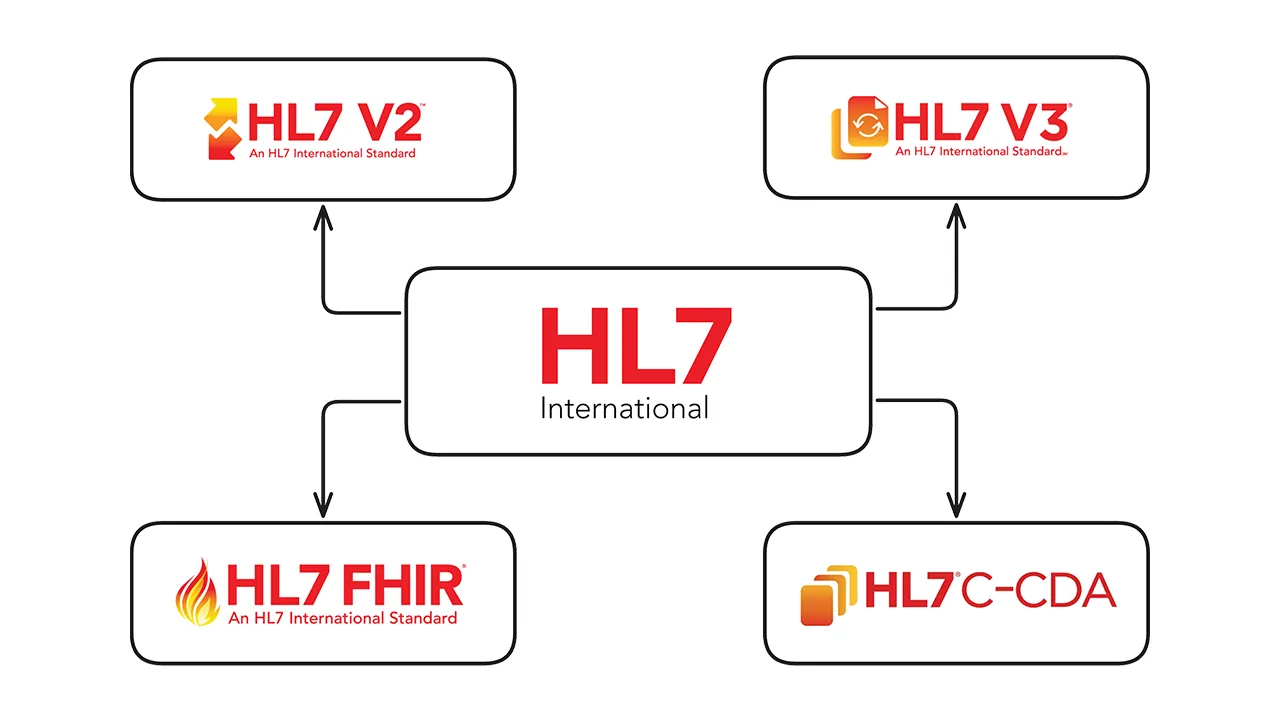
This article details HL7's role in healthcare data exchange since 1987. It explores the standards family including legacy v2, CDA, and modern FHIR APIs highlighting their necessity for interoperability, regulatory compliance, and system integration.
The complete guide to FHIR (Fast Healthcare Interoperability Resources). Learn FHIR resources, R4, Profiles and Implementation Guides, SMART on FHIR, HL7 history, and how to start.
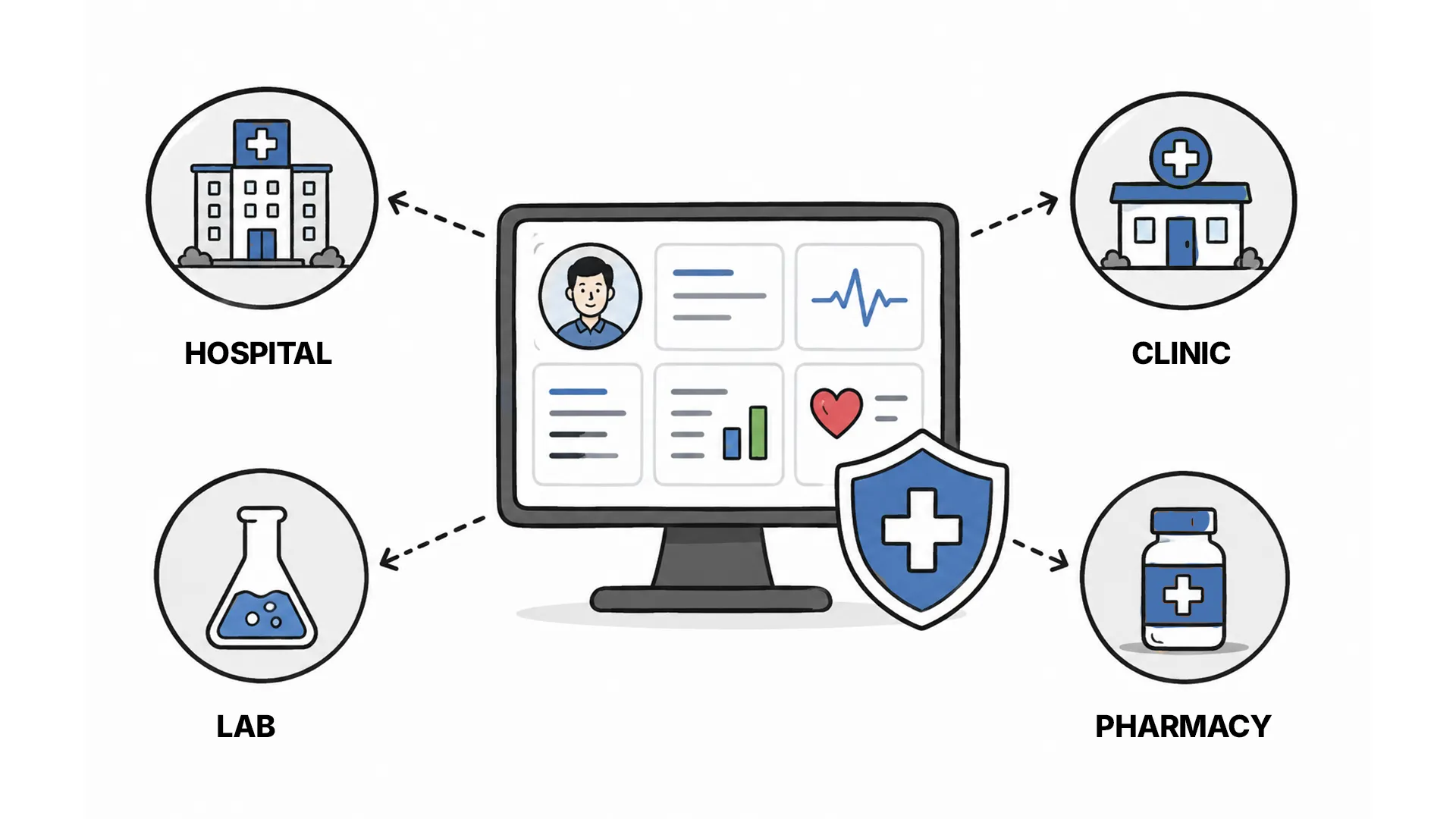
Complete guide to EHR systems in 2026: how they work, EHR vs EMR, FHIR APIs, costs, and why architecture matters more than features.
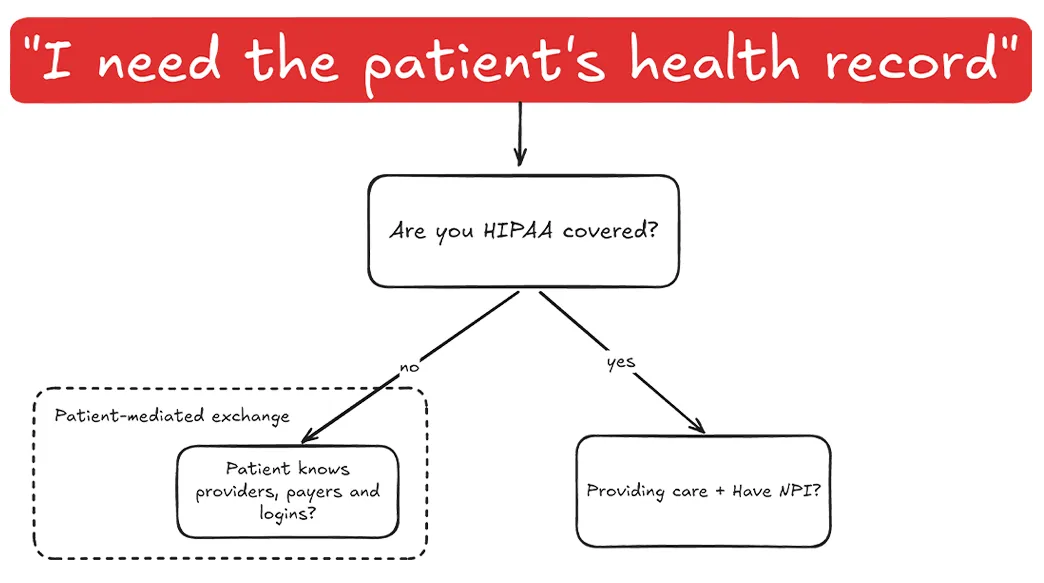
You'd think I'd tell you about APIs or tools. The key is in understanding legal coverage.
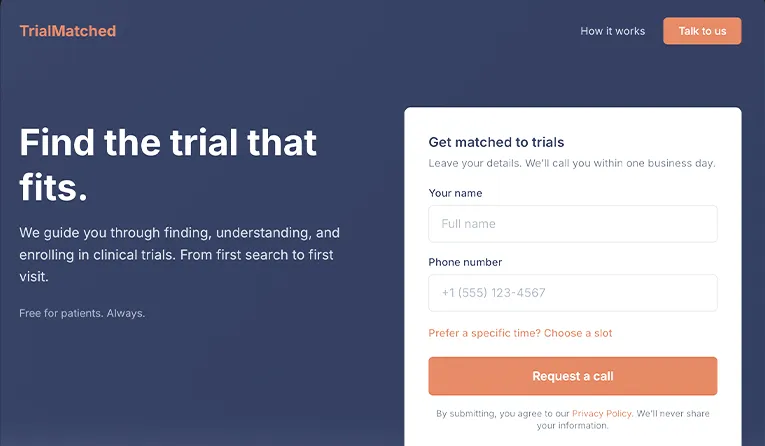
My mother-in-law needed a clinical trial. My wife and I, both doctors, had a hard time finding the right one. I decided to try to solve it.
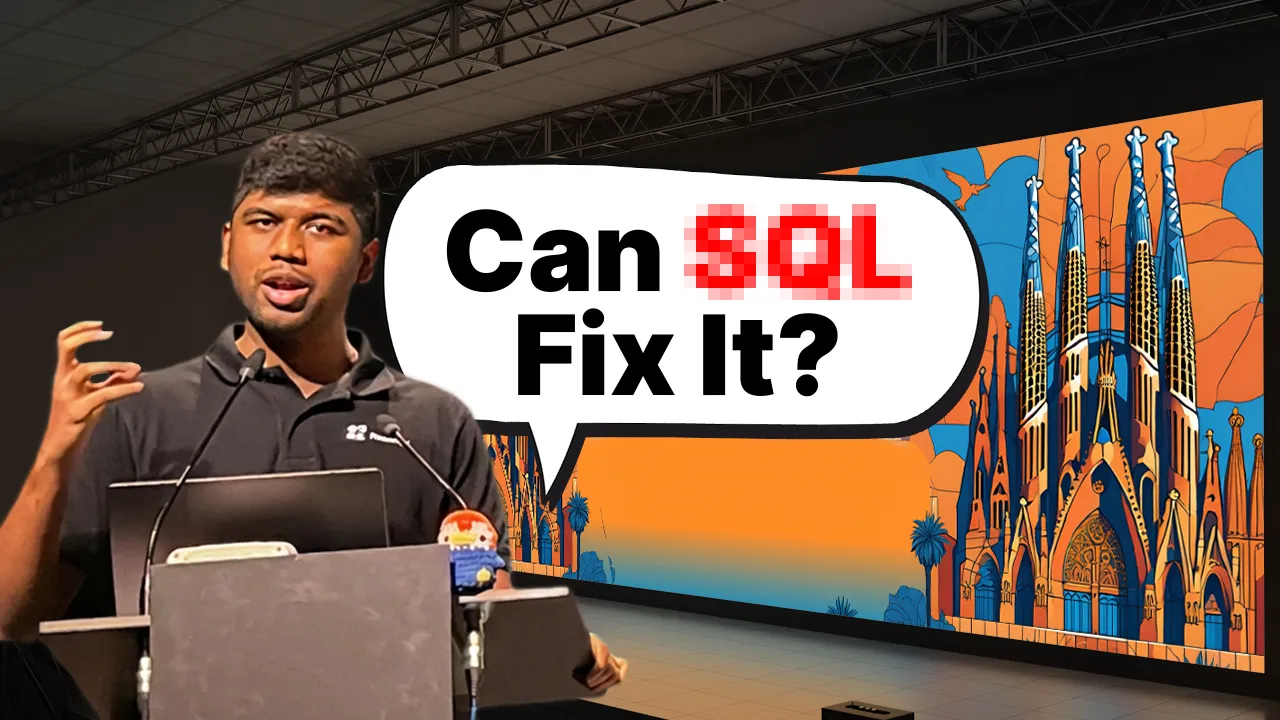
I make the case that SQL could be the solution to simplifying the layers of complexity in health data architecture. This is a written version of my talk at EHRCON 25.

Choosing a self-hosted FHIR server? This benchmark compares Couchbase FHIR and HAPI FHIR under real-world load from 100 to 1,000 concurrent users. Discover which handles higher throughput, maintains lower latency, and where each architecture hits its breaking point. Data-driven insights for healthcare infrastructure decisions.
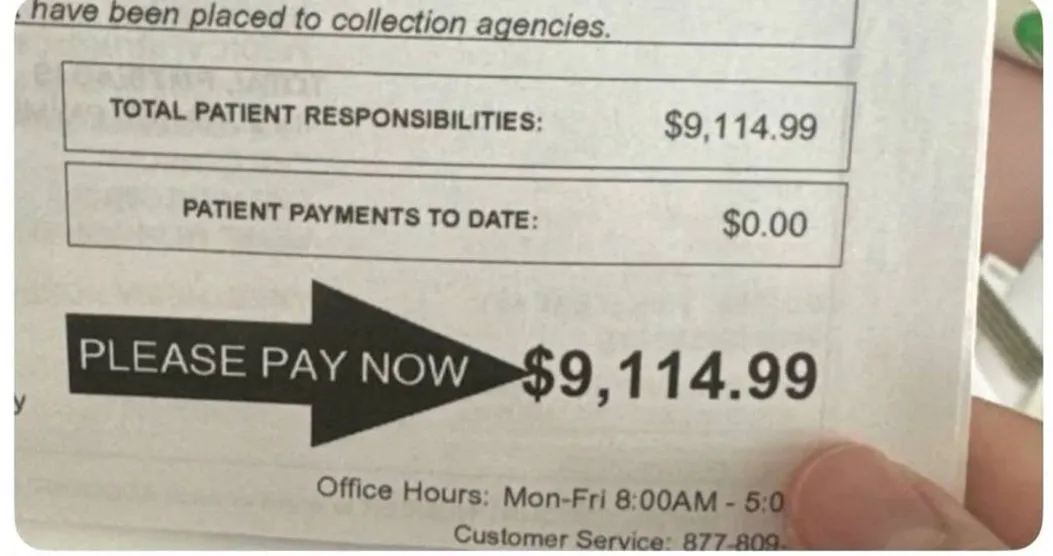
But that hasn't mattered in years.
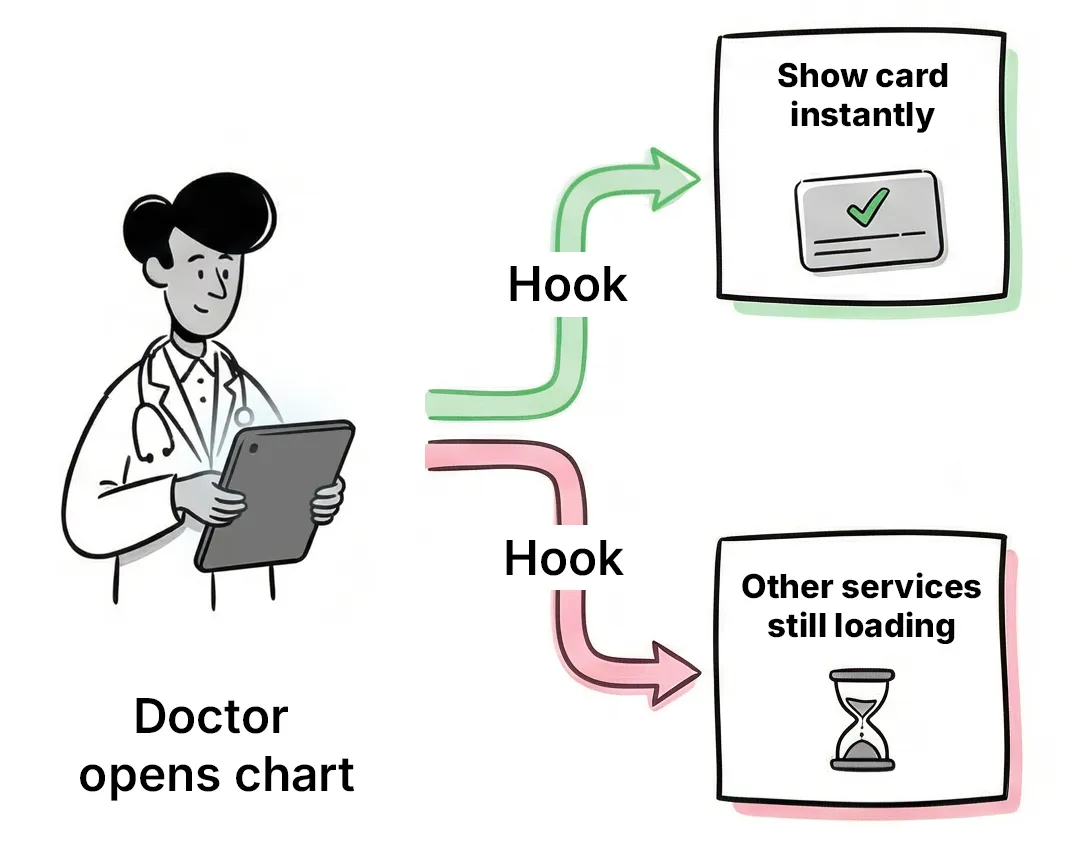
CDS Hooks are more than alerts: they’re real-time EHR webhooks that can surface a card and launch a SMART on FHIR app, letting you run workflows outside the EHR. The key is relevance + low latency, and rising adoption.
We tried scaling with service partners, but it didn't work. Learn what went wrong, how we're fixing it, and why we're returning to our lean in-house team.
In this Digital Health Hackers episode, I discuss the Couchbase FHIR Server CE with Krishna Prasad Doddi, exploring our collaborative build and insights.
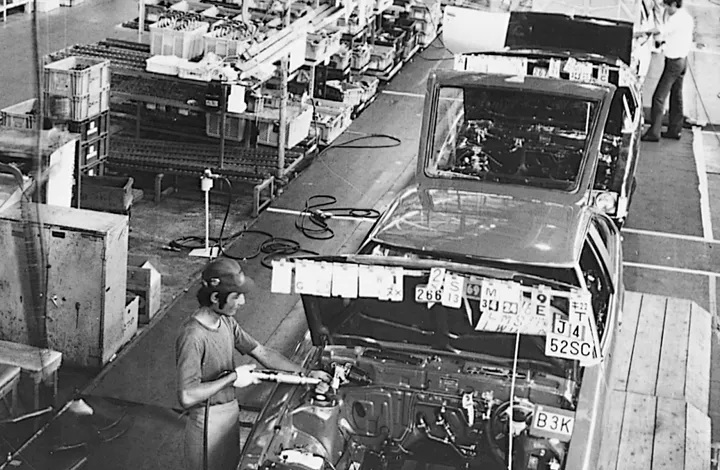
What can car factories from the 70s teach us about health data exchange?
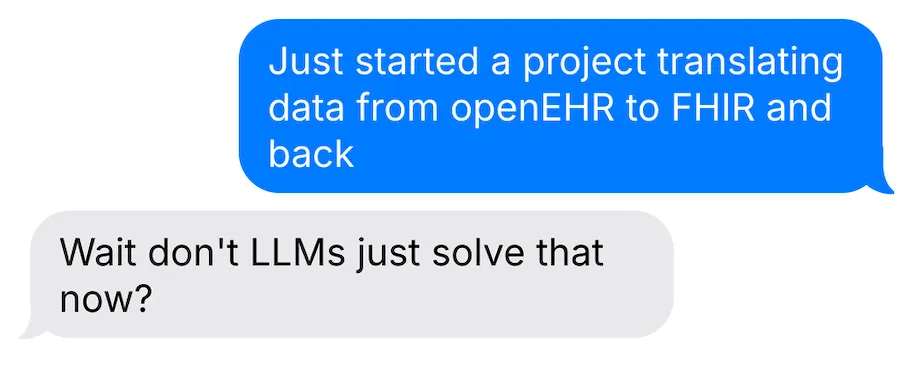
Benchmark results and a failure deep-dive expose the real gap in healthcare data: missing semantic models, and the value-set workarounds they force.
Tired of EHR vendors holding your data hostage? openEHR separates clinical meaning from software, ensuring health records outlive any application.
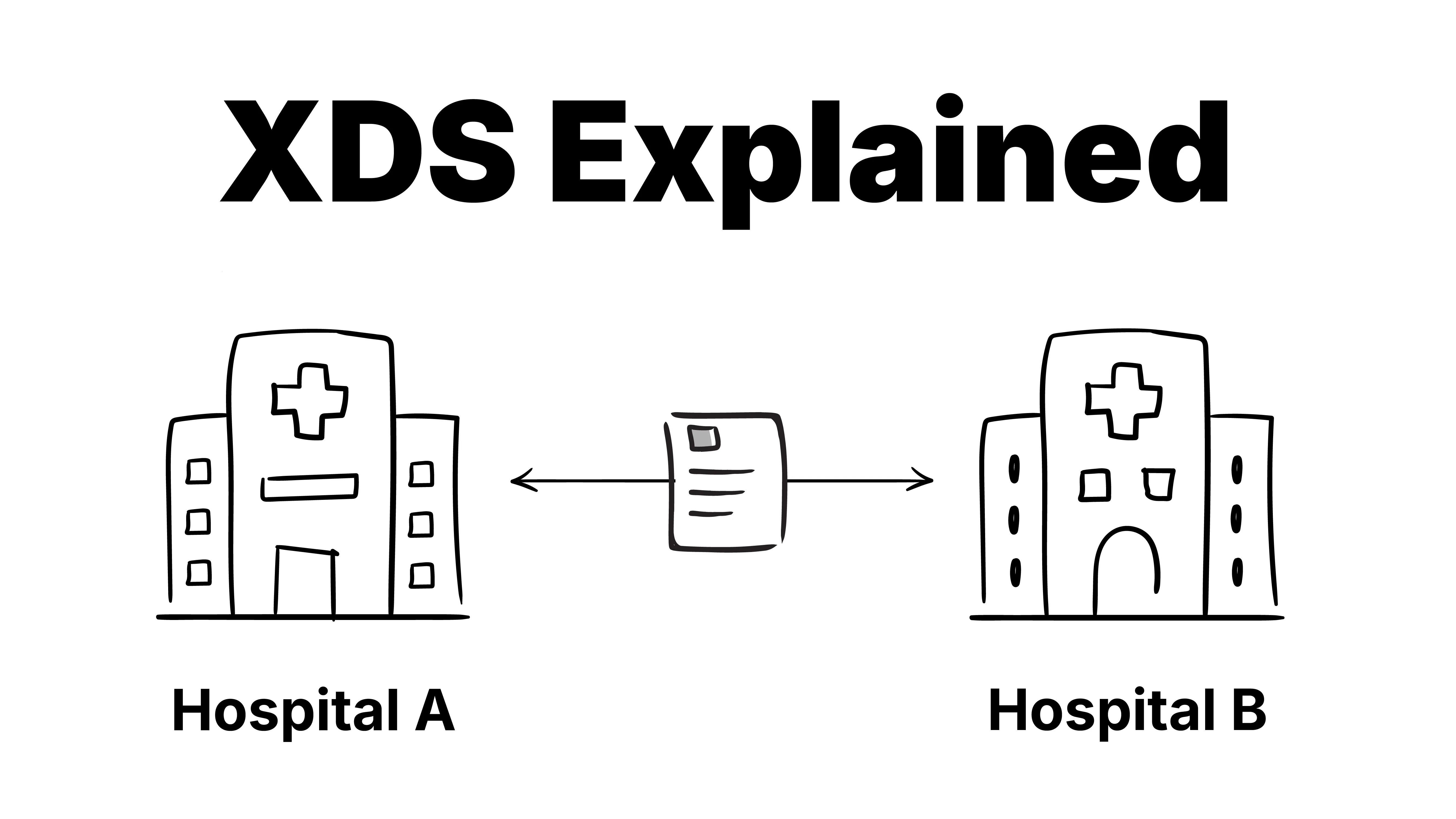
A simple XDS tutorial: understand Registry vs Repository and run the core XDS flow end-to-end with the NIST XDS Toolkit, Docker, and Postman.
In conversation with Dr. Videha Sharma, CEO of Fava Health, Sidharth discusses the future of precision medicine and the technology infrastructure needed.
Here's how Medblock's partnered with Clinikk to build a longitudinal, openEHR-based EHR that supports their novel subscription-based care model.
Catalonia wanted an openEHR Clinical Data Repository for 8 million people. Medblocks worked with IBM and vitagroup to design the sync layer for hospitals.
We walk you through building a FHIR server on top of Couchbase's NoSQL database, covering challenges, technical decisions, architecture, and local setup.
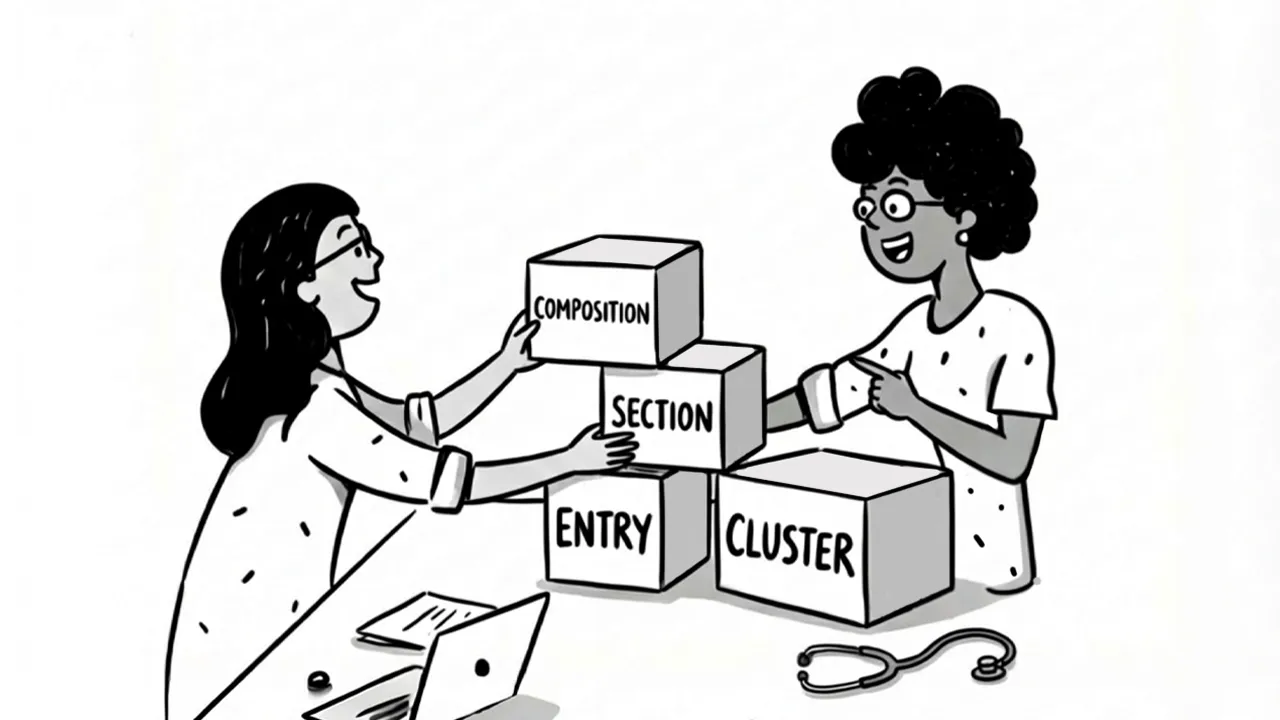
Develop applications that suit your clinical needs with a deeper understanding of openEHR Archetype Classes and Clinical Knowledge Manager lifecycle.

Explore how FHIR compares to XDS in healthcare data sharing and what it means for interoperability between hospitals and clinics.
Learn how FHIR uses semantic versioning to manage updates, ensure compatibility and support smooth transitions between healthcare data standards like R4 and R5.

Curious how FHIR is used and who’s adopting it? Here are real-world examples of how FHIR is reshaping healthcare across the globe.

A journey through 30 years of healthcare interoperability from costly 1980s interfaces to modern FHIR APIs following HL7's evolution to web-friendly resources.
Learn when FHIR was created, why HL7 developed it, and how it transformed healthcare data interoperability across the industry.
From structured data to policy alignment, explore the 4 levels of interoperability and why they matter for compliance, care, and innovation.
Understand how FHIR resources like Patient, Observation, and Medication enable smooth, standardized healthcare data exchange.
Here we explore a real-world project we did with GE HealthCare, where we tackled the challenges of data normalization in oncology care.
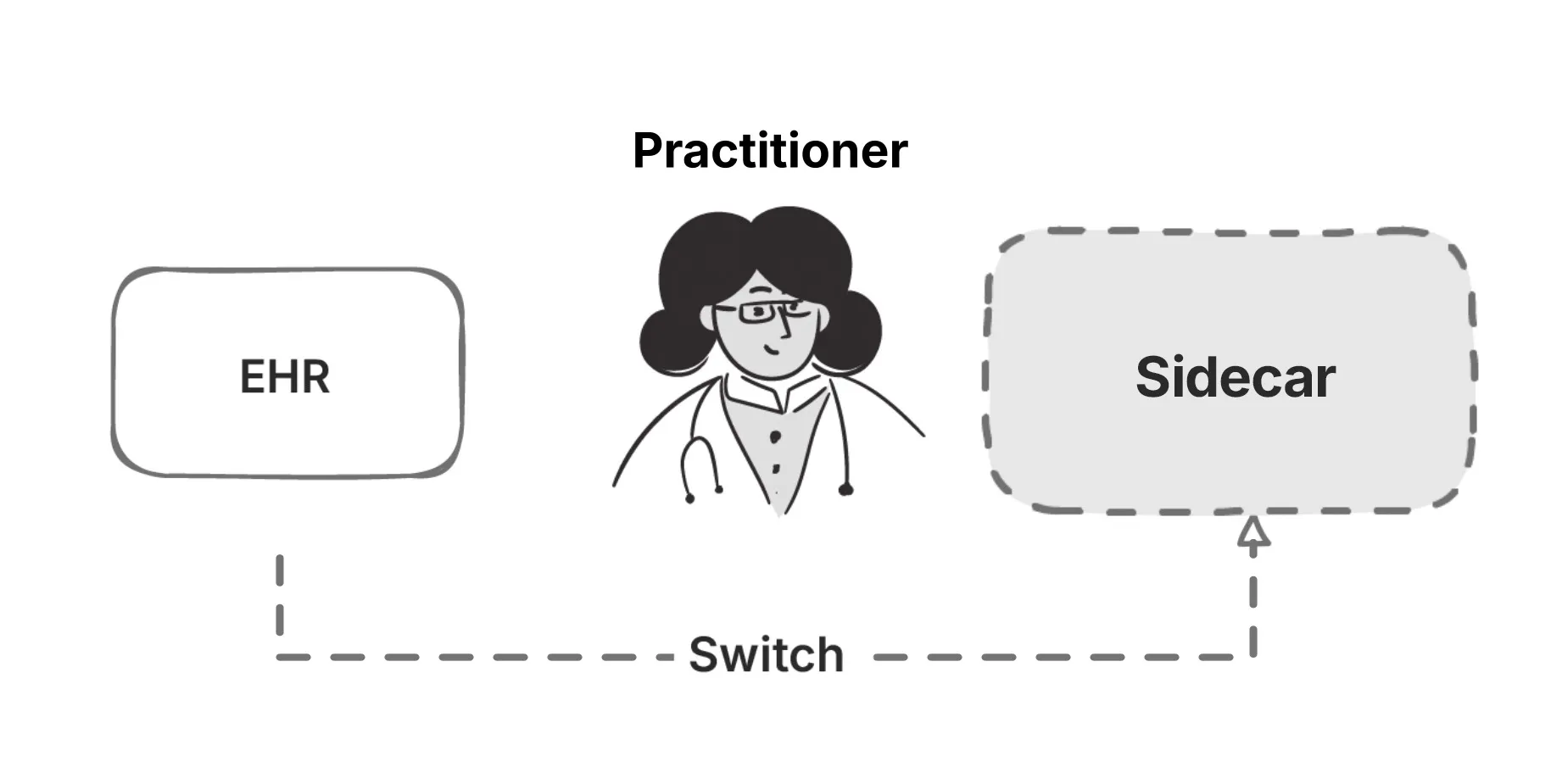
EHR sidecars have a long history of filling gaps that core EHRs couldn't. Learn how sidecars started, evolved, and why they're still relevant today.
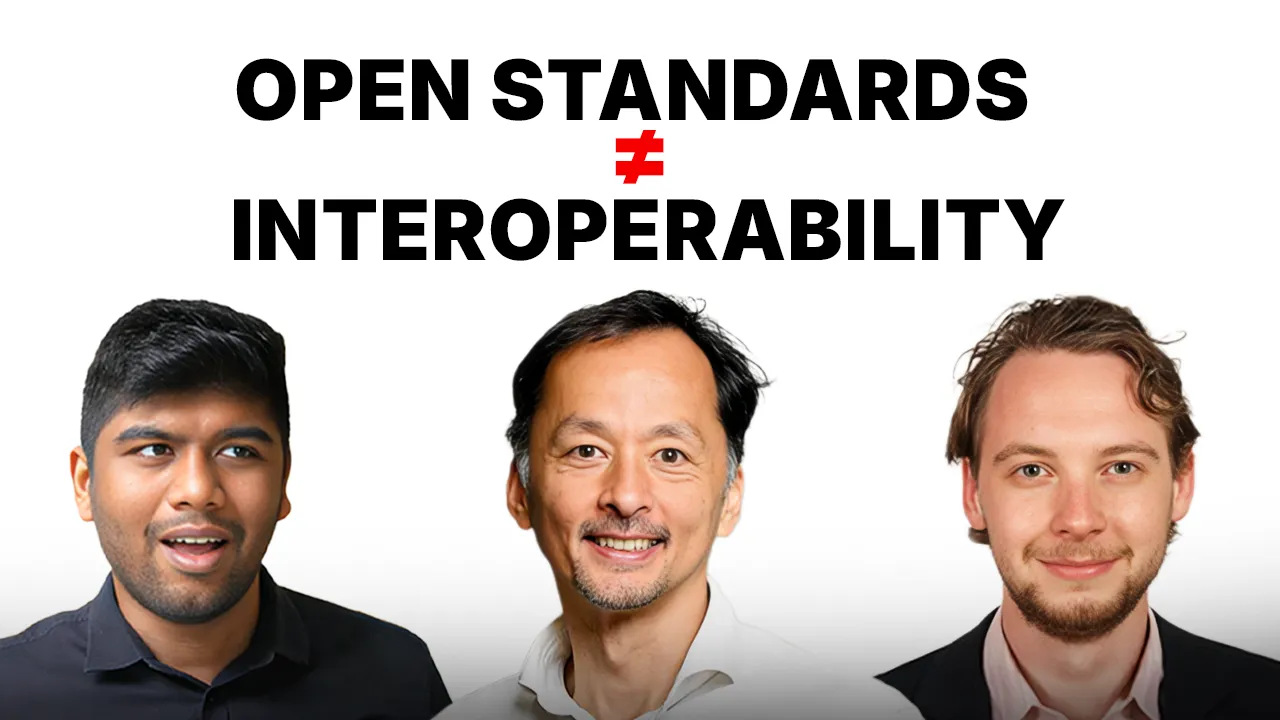
While open standards set the rules, open source gets the work done. Discuss choosing tools, handling semantics and making health systems interoperable.
Stop drowning in FHIR docs. From HAPI FHIR & Simplifier to Inferno & validators - 10 tools that save hours. Covers servers, testing & profiling. Updated 2025.
In this article we’re breaking down the 12 most essential FHIR resources you need to know when starting out.
In episode 17 of Digital Health Hackers Podcast, Sidharth speaks to Christopher Jones, CEO of MatchRite Care, a patient-centered unified health record portal.
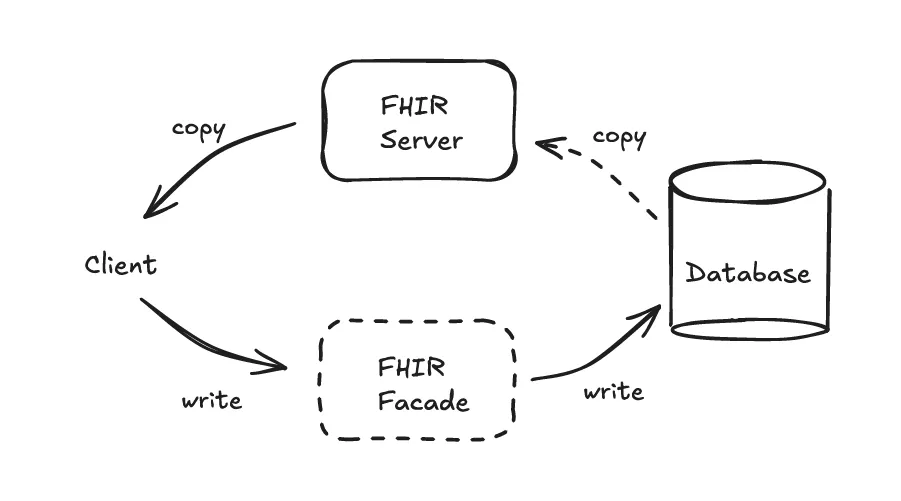
Assess three approaches to implementing RESTful FHIR servers - Facade, Synchronization and Hybrid. Also explore FHIR Documents and Messaging paradigms.

Deploy your patient-facing FHIR app across Epic hospitals in just 48 hours. We demystify Epic's Automatic Client Record Distribution process easily.
What does it take to build a truly modern EHR? Conversation with Health Samurai CTO Nikolai Ryzhikov exploring the path to modular, FHIR-first platforms.
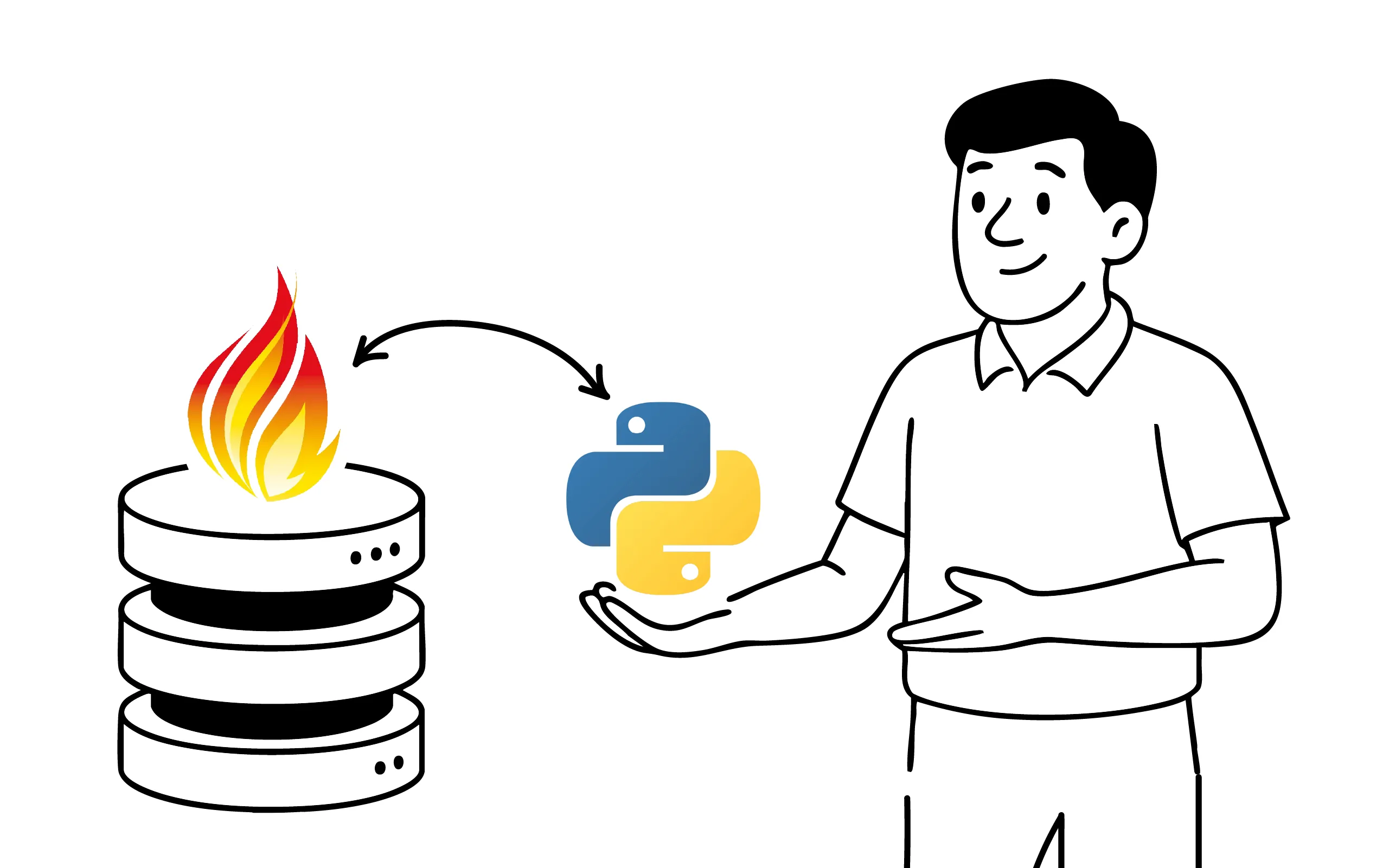
A 'facade' could solve your legacy data's FHIR-compatibility woes. This tutorial shows how to create a FHIR Facade on a Postgres database using Python.
Want to implement FHIR using Java? Build, read, update & delete Patient resources using HAPI FHIR's fluent client. Working code included. Perfect for Java devs.
This guide explores performing real-world operations like creating, reading, updating, and deleting patient data on a FHIR Server using Python.
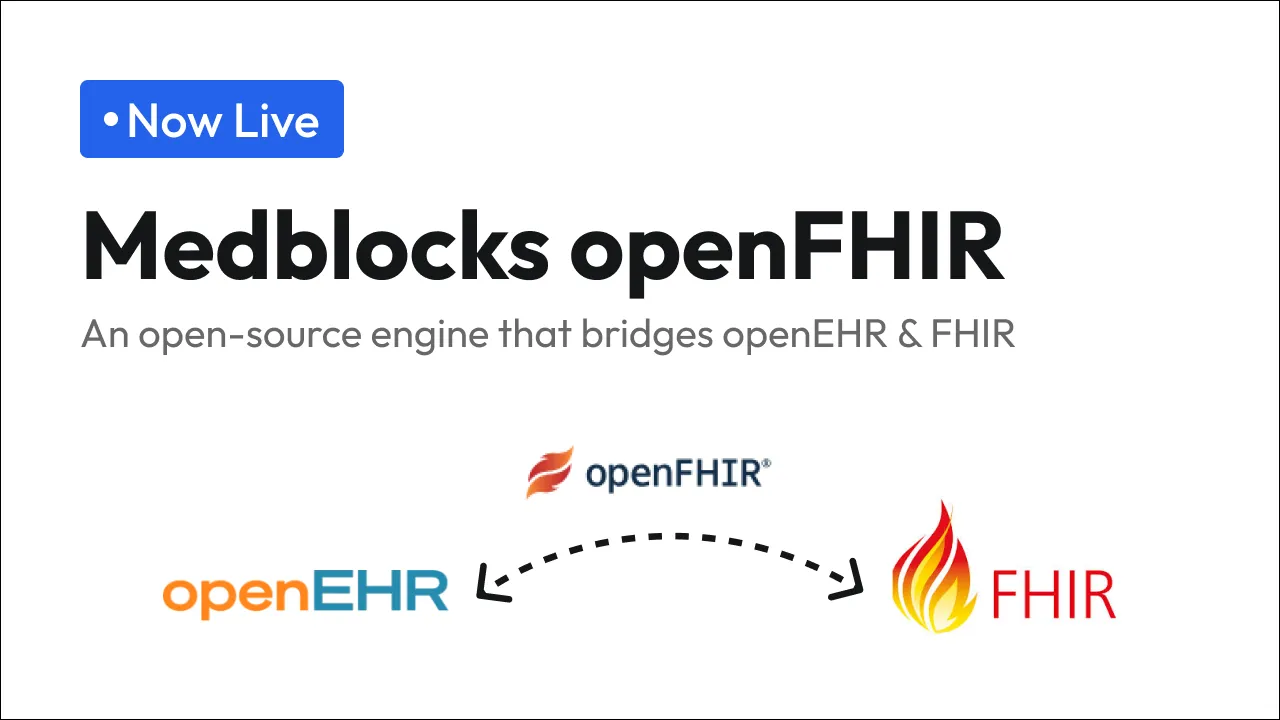
Introducing openFHIR, an open-source bidirectional mapping engine converting between openEHR and FHIR standards. Built on FHIRConnect, Apache 2.0.
Explore every FHIR Questionnaire item type, from simple strings and booleans to complex codings and references. Includes JSON examples for each answer type.
Health IT has various standards, and choosing the right one is often confusing. Understand the differences clearly to select the right standard.
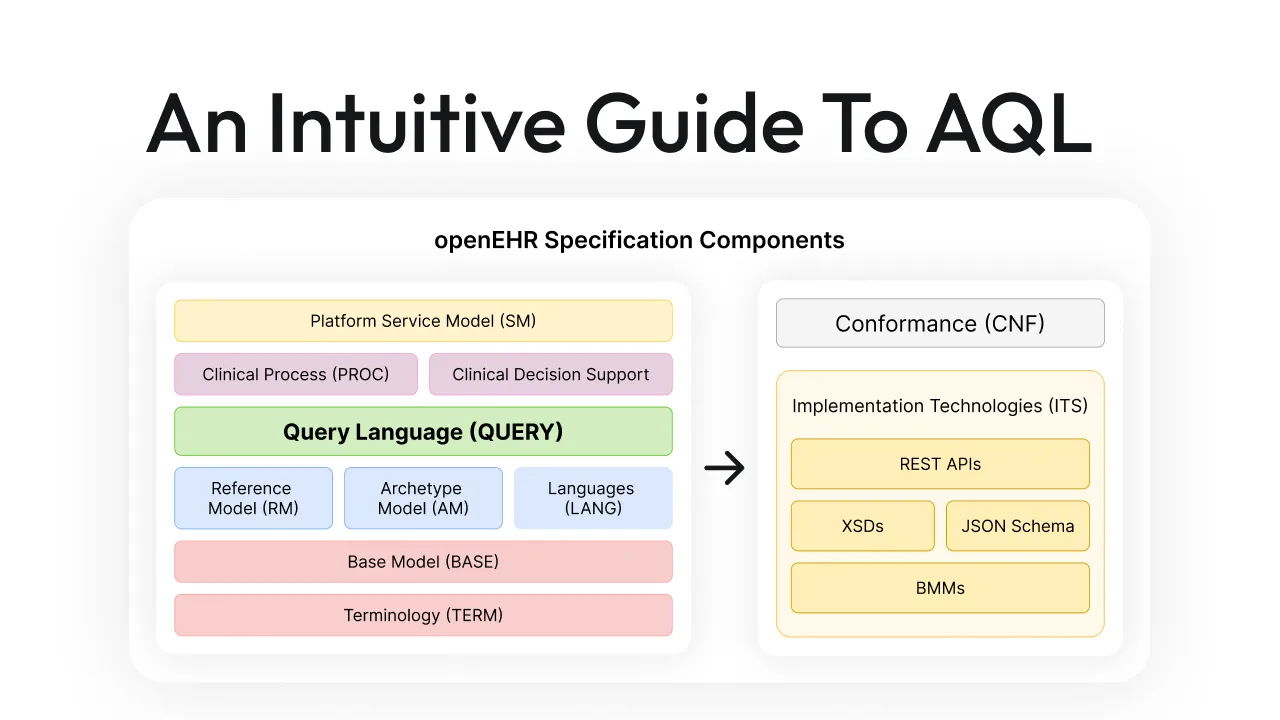
This article simplifies AQL (Archetype Query Language) by breaking it down into basic concepts with examples suitable for even beginner openEHR levels.
This article provides a step-by-step guide to hosting an authenticated EHRbase server in the cloud and exposing its REST APIs over HTTPS using Traefik.
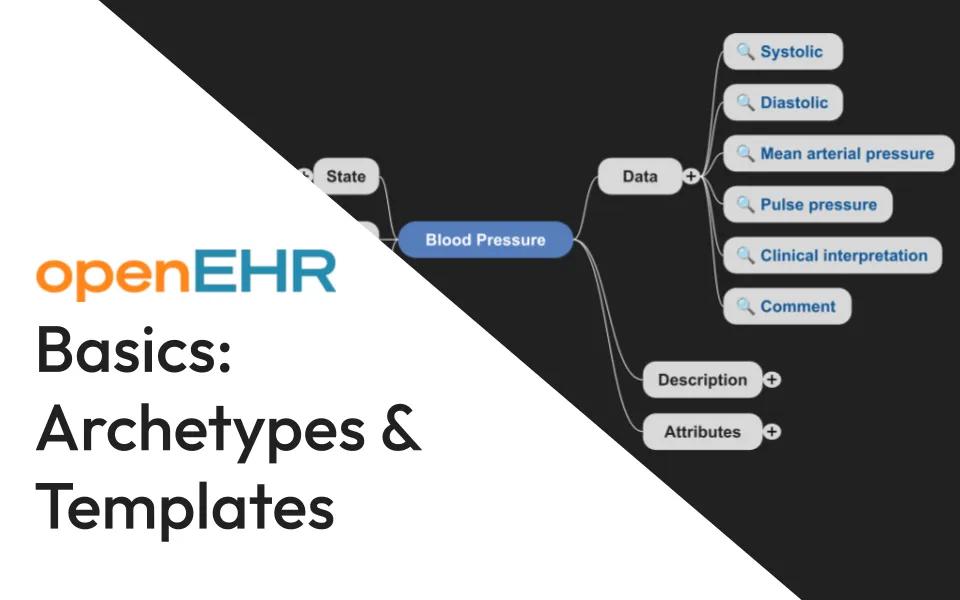
Understand openEHR's two-level model: Archetypes define clinical concepts, Templates combine them for workflows. Covers CKM, ADL format & real examples. Clear guide.
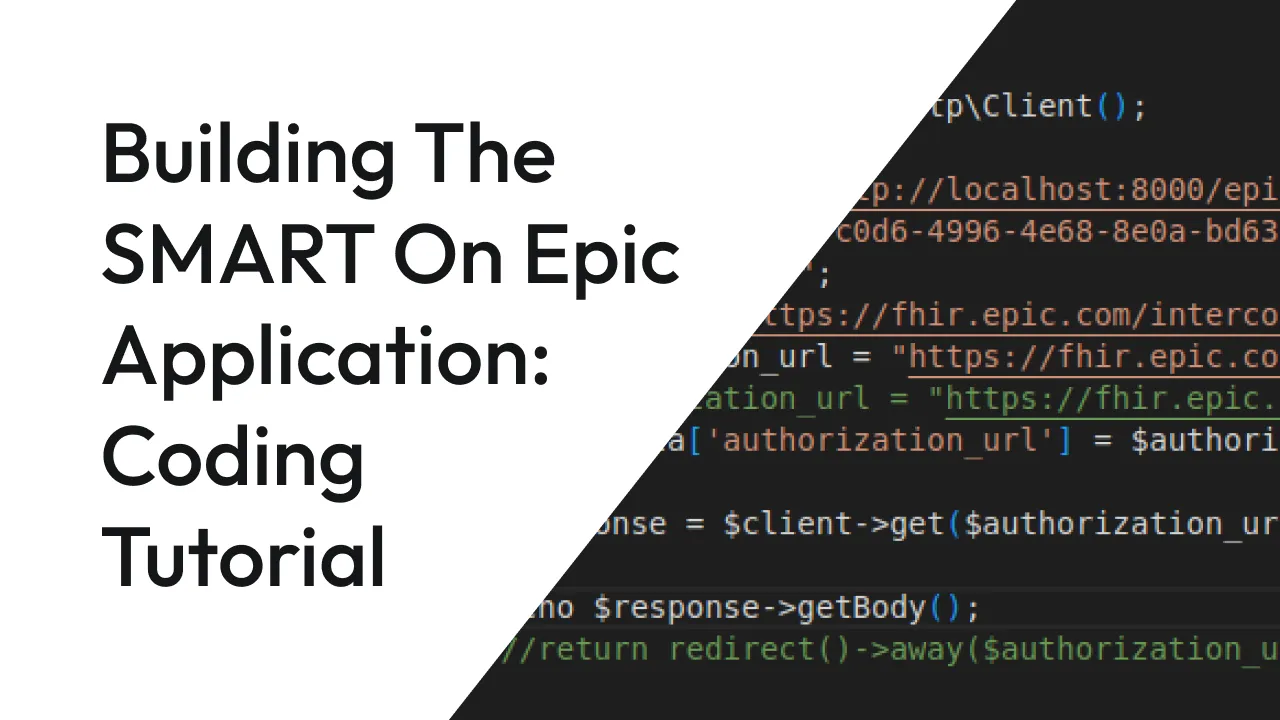
Build a patient-facing SMART on Epic app from scratch in React. Covers OAuth2, OpenID Connect, scopes, launch context, and the full FHIR API build.
Build a patient-facing SMART on Epic app from scratch. Covers OAuth2, OpenID Connect, scopes, launch context & discovery endpoints. Step-by-step fundamentals guide.
With LLMs and AI coding tools, building healthcare apps is no longer just for seasoned programmers. An introduction to building FHIR web apps for beginners.
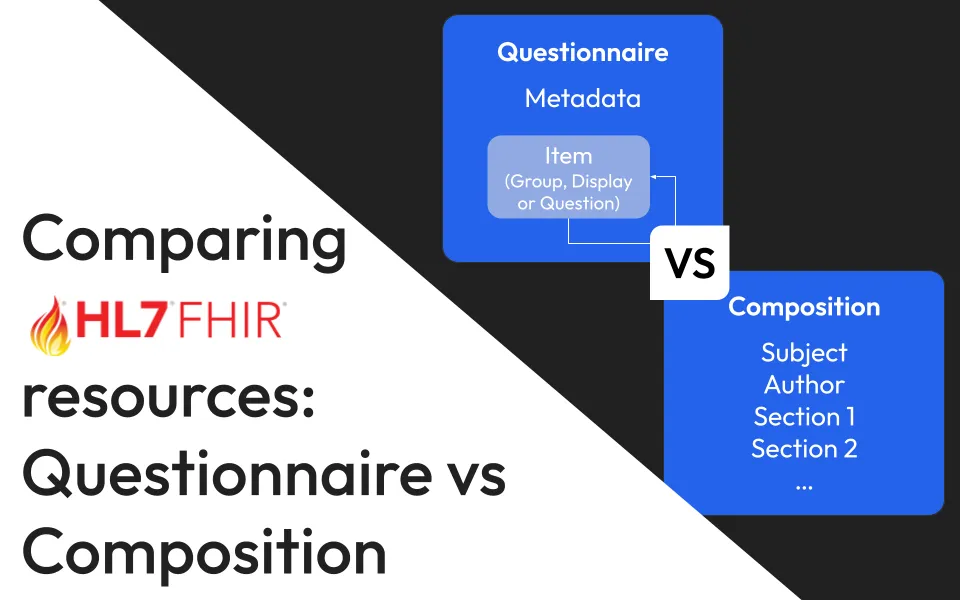
One organizes existing health data and the other gathers new inputs. Which is which? Do you need both? Read on to find out.
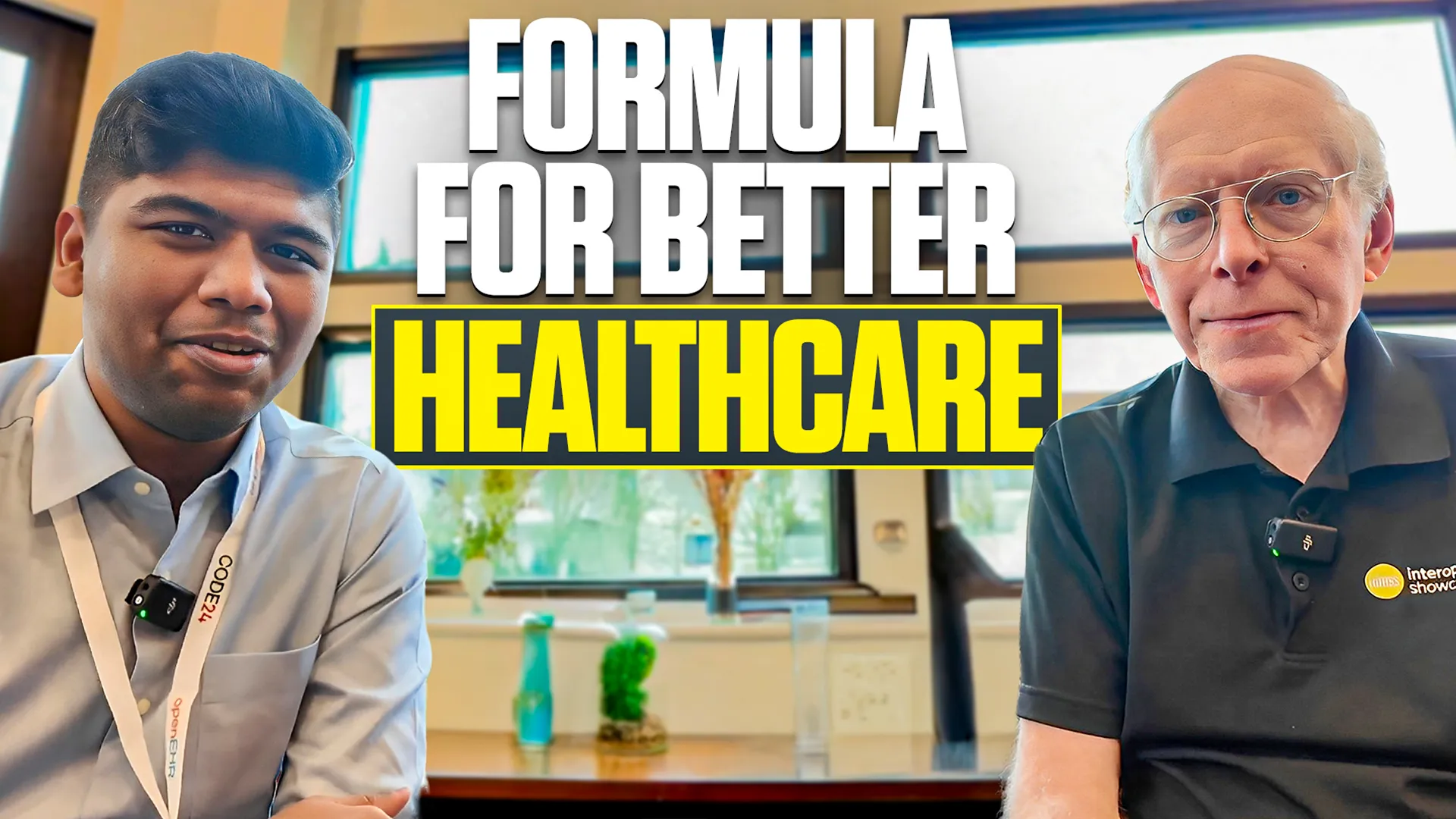
E-Patient Dave's journey highlights the power of patient data access, collaboration, and open standards like FHIR and openEHR in transforming healthcare.
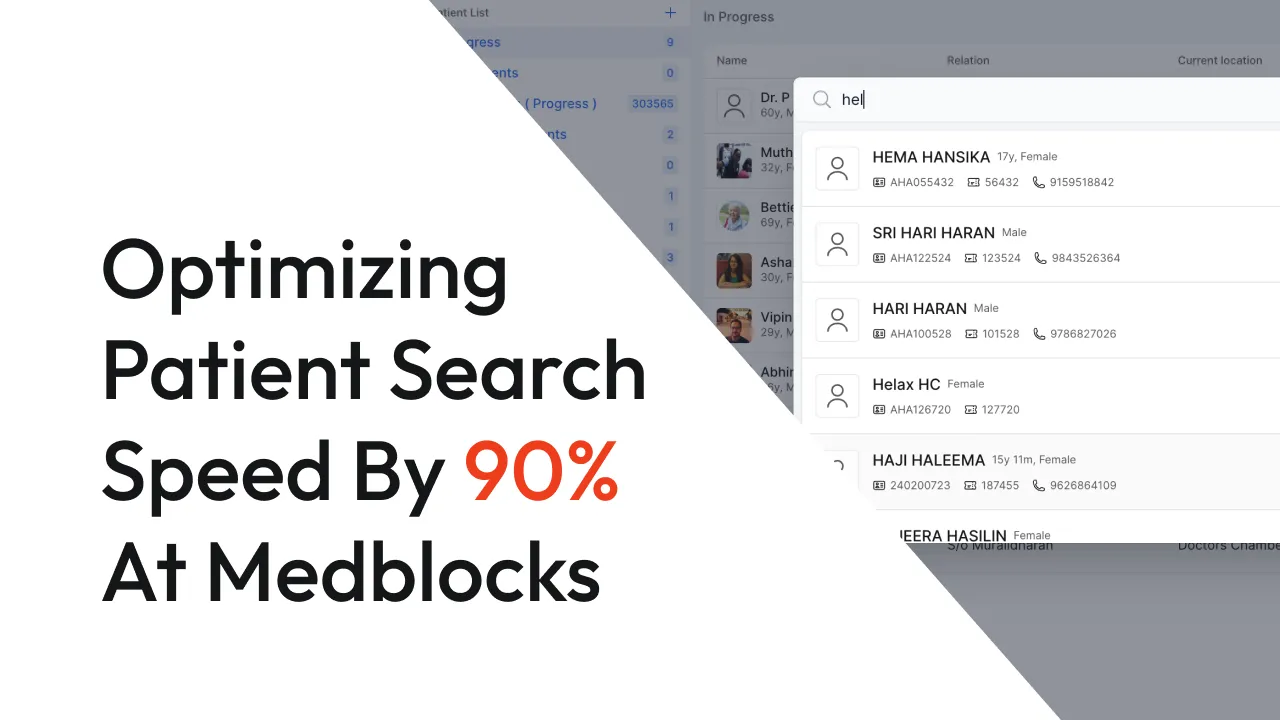
Leveraging PostgreSQL’s native full-text search, we cut query times from seconds to milliseconds, giving clinicians instant access to critical patient data.
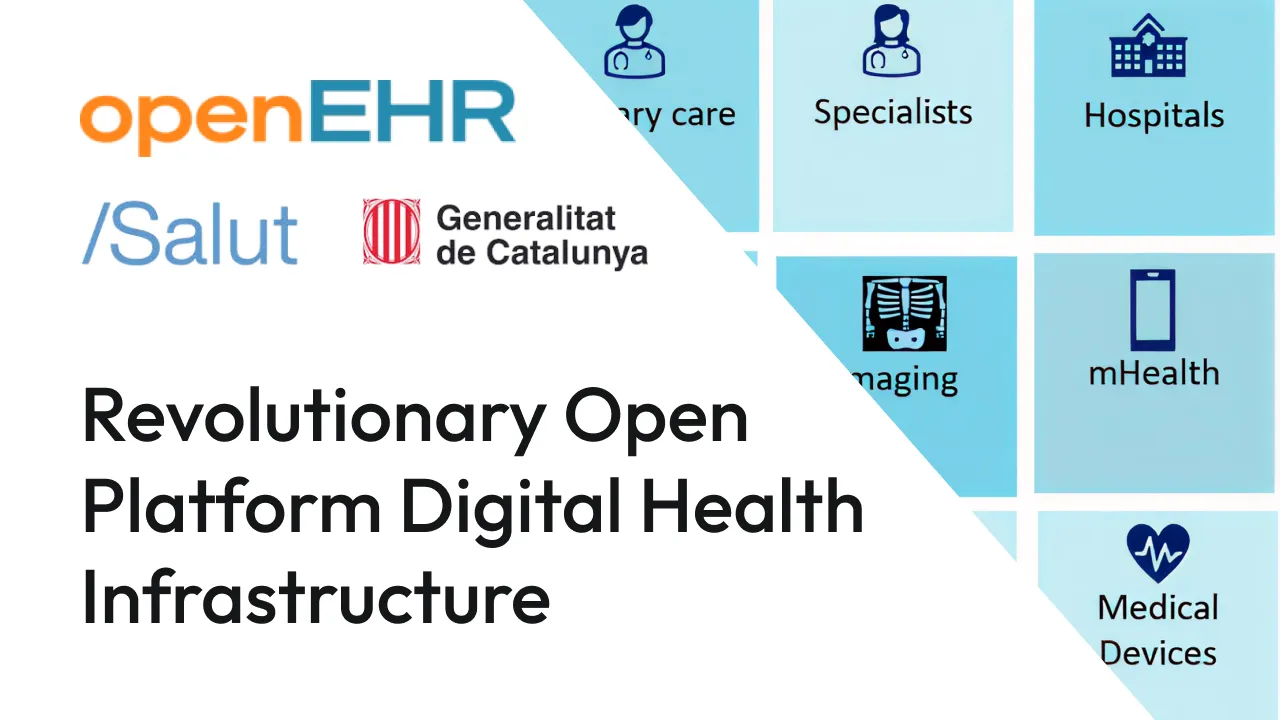
Catalonia is set to make history by building the world's first open-source, interoperable unified health record under Director Jordi Piera's guidance.
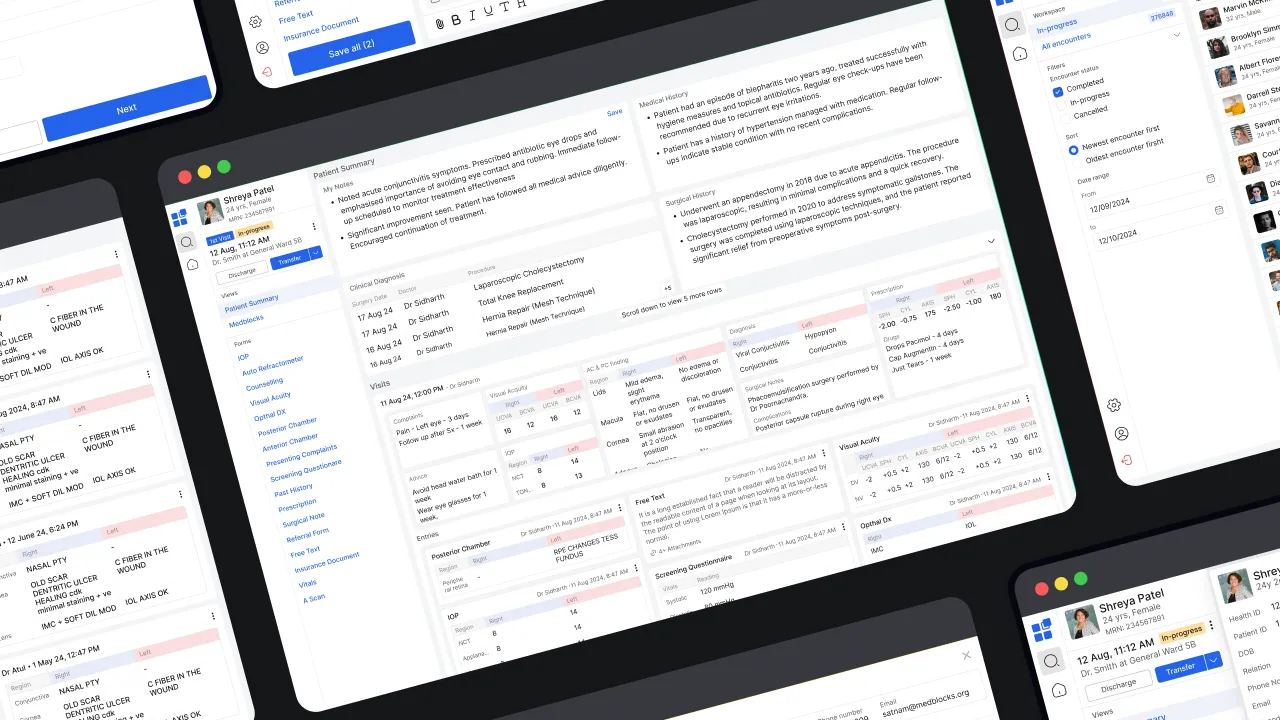
Explore Medblocks' patient management solution powered by FHIR APIs, optimizing hospital workflows with user-centered design and vendor-neutral approach.
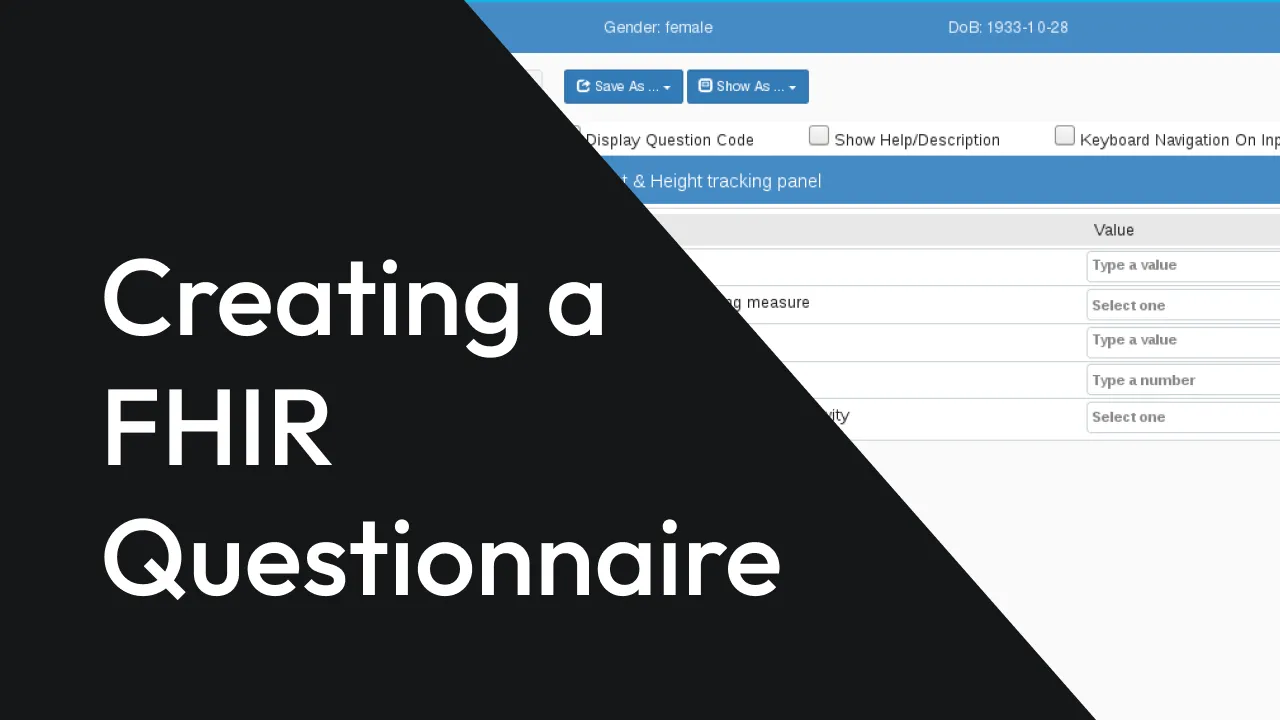
Understand the FHIR Questionnaire resource from scratch, structure, item types, QuestionnaireResponse, and hands-on exploration using free NLM open-source tools.
Why did FHIR succeed where HL7 v2 and v3 failed? Grahame Grieve, FHIR's creator, explains the 3 key milestones, and the 80/20 rule that made it work globally.
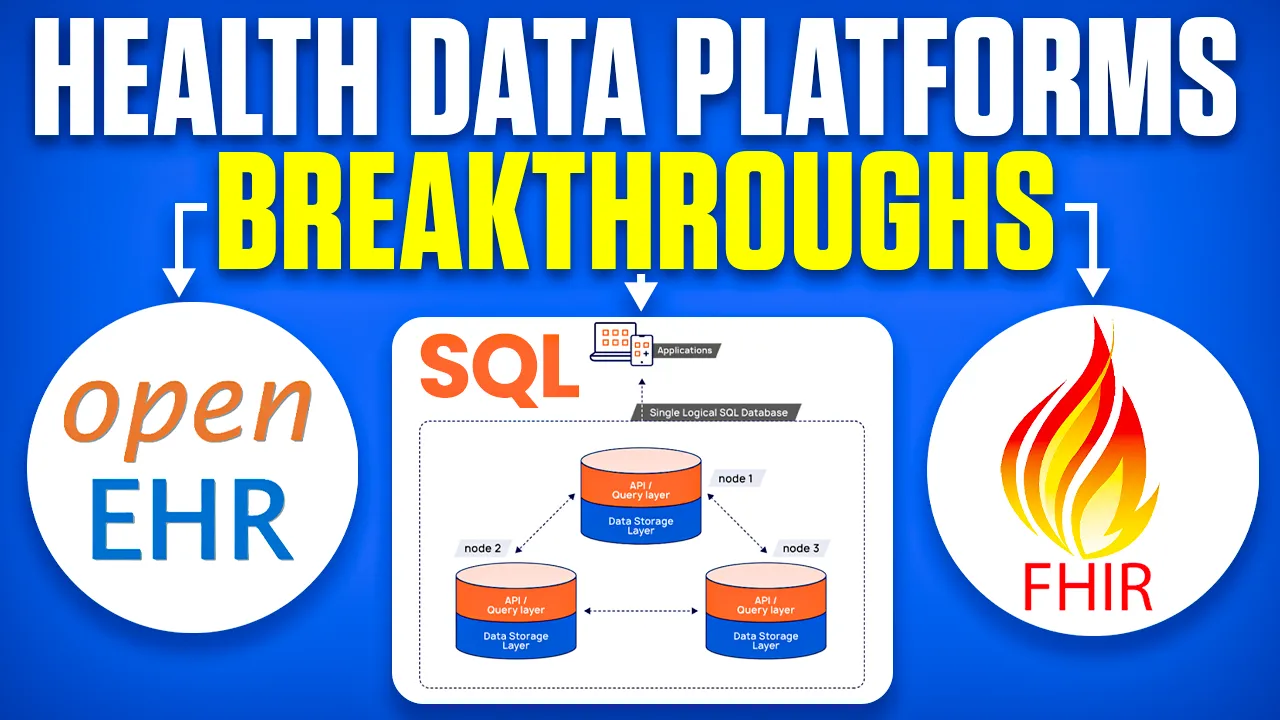
Healthcare technology thought leader Christian Chevalley joins Digital Health Hackers podcast, sharing insights on connecting healthcare's disparate data.
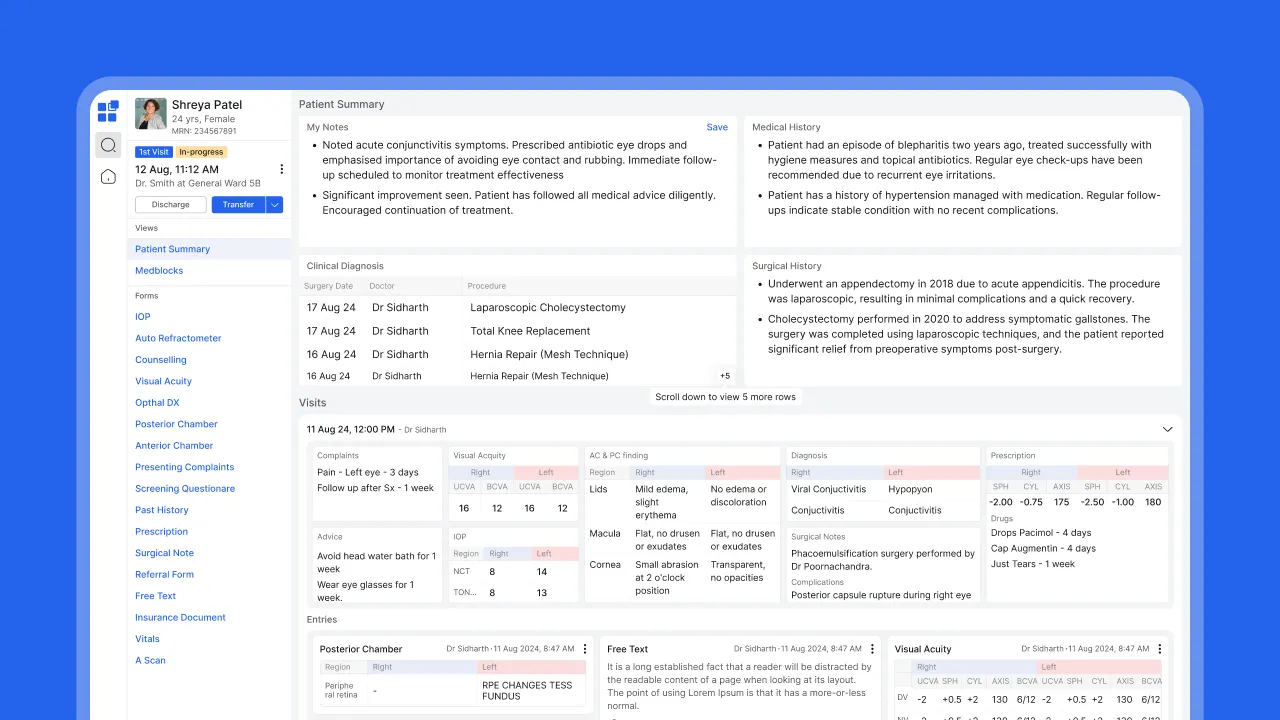
Explore redesigning a user-friendly EHR interface for ophthalmology, emphasizing collaboration with domain experts and iterative design improvements.
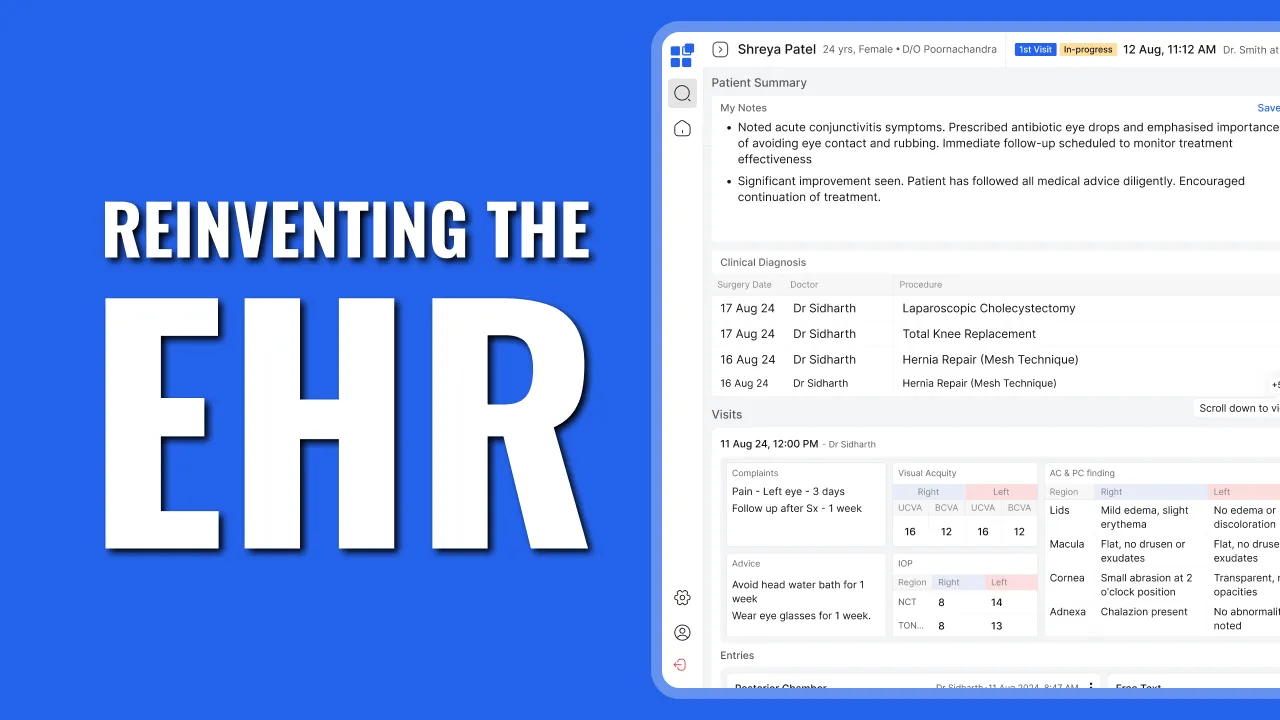
Traditional healthcare software development has significant drawbacks. A platform with standardized features and extensible features might be the right answer.

HAPI FHIR doesn't validate profiles by default — even with meta.profile set. Learn how to upload StructureDefinitions & enable validation via Docker env vars.
Why did FHIR replace HL7 v2, v3, and CDA? Discover how REST, JSON & open licensing changed everything. See why 10+ governments now mandate FHIR. Clear breakdown.
Step-by-step guide to deploying ERPNext Healthcare on Kubernetes. Covers patient care, billing, lab modules & FHIR integration. Open-source. Production-ready.
Extend your openEHR Server! Learn how to create an EHRbase plugin that can make additional calls to the database and create a transactional outbox.
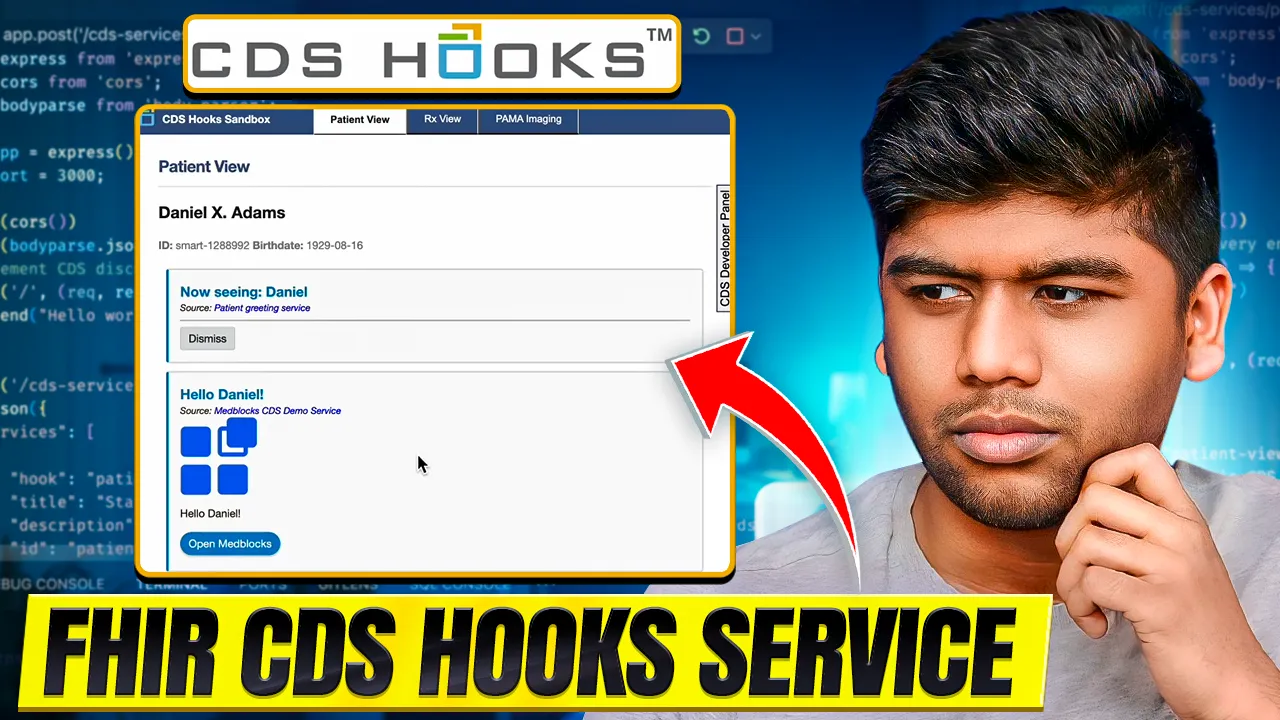
Follow along and create your first HL7 FHIR CDS Hooks Service using NodeJS and the CDS Hooks Sandbox in less than 10 minutes.
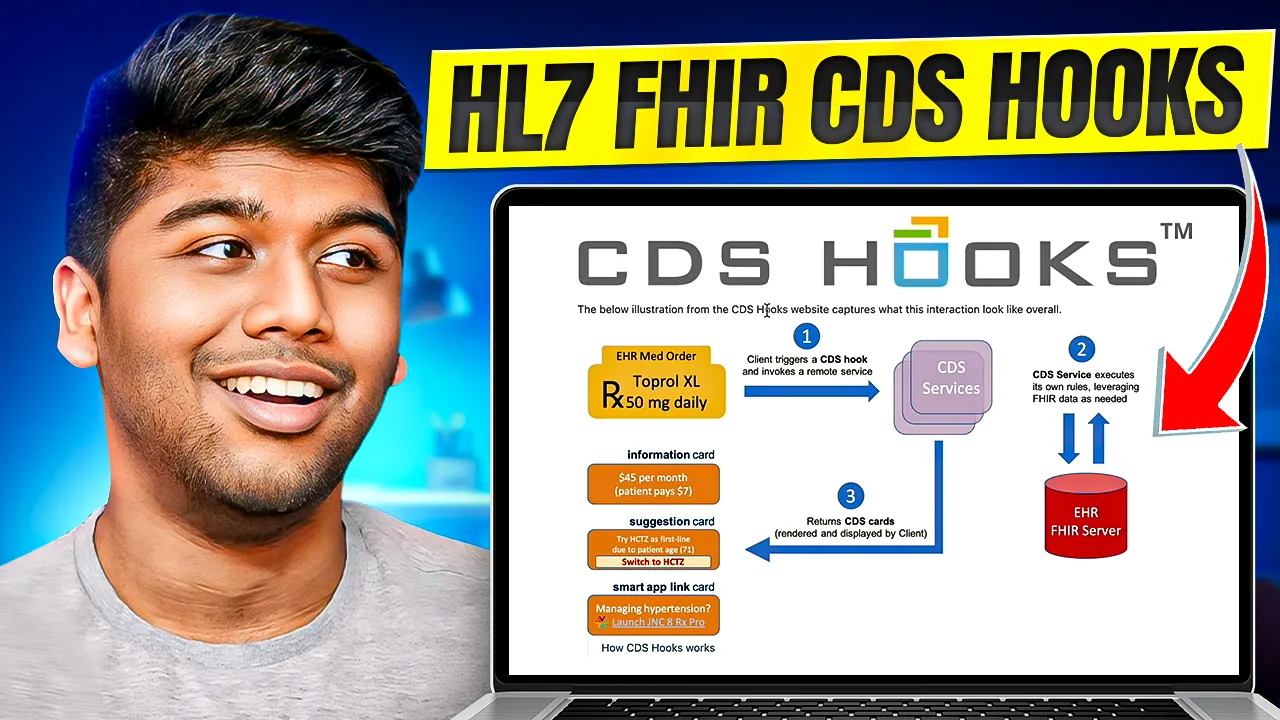
Learn how HL7 CDS Hooks lets EHRs call external APIs for real-time clinical alerts, covering drug interactions, pre-authorization, and quality measures. With code examples.
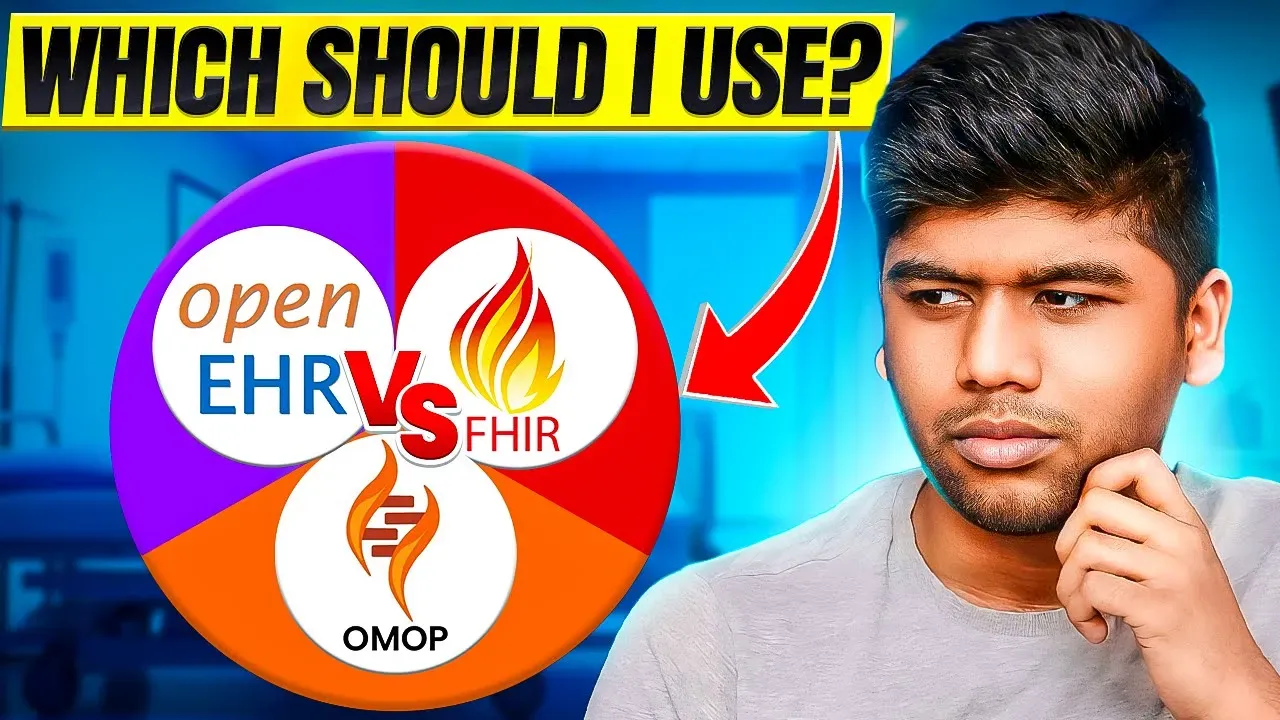
Each domain has its own best-suited standard: FHIR, openEHR, and OMOP respectively. There's an art to picking the standard for the data use case.
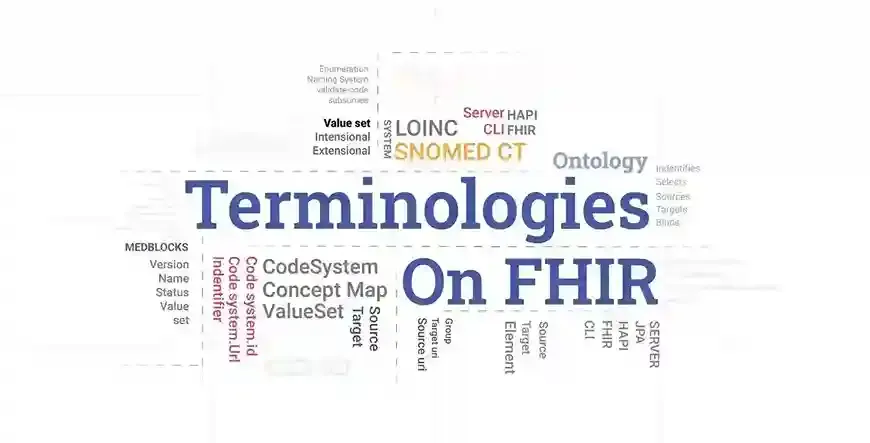
Use one FHIR API to query SNOMED, LOINC & ICD-10. Learn CodeSystems, ValueSets, ConceptMaps & key operations like $lookup & $expand. Clear guide with examples.
Explore Clayton M. Christensen's vision for healthcare in "The Innovator's Prescription" – a groundbreaking approach to improving patient care.
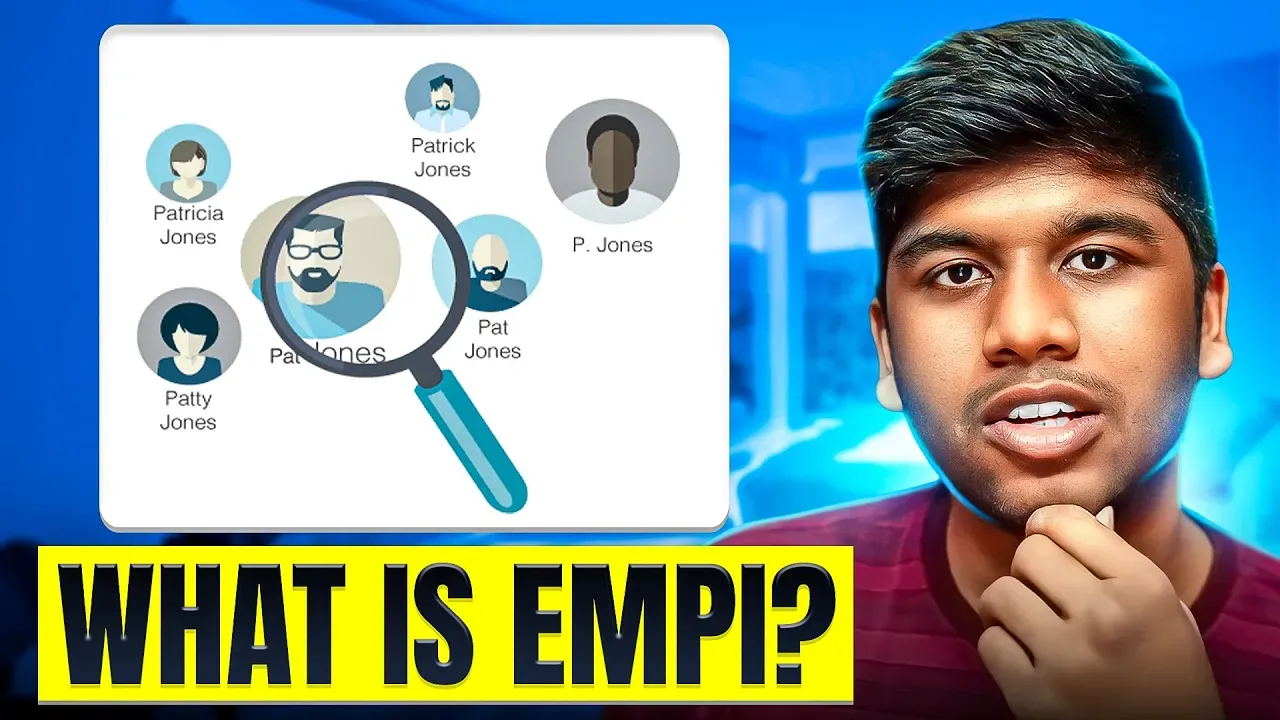
Duplicate patient records cost lives. Learn how an EMPI fixes that with matching algorithms, blocking rules, and a single source of truth. Clear, practical guide.
New to FHIR? Build your first Patient resource in Python using fhir.resources. Includes JSON schema, validation & VS Code setup. Step-by-step for beginners.
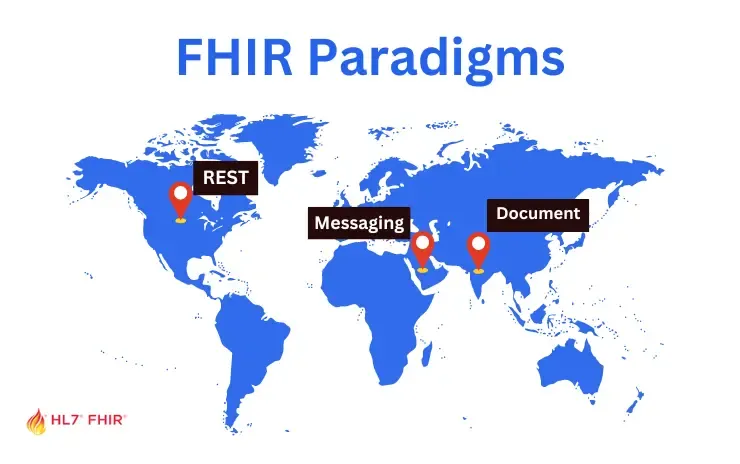
FHIR boosts healthcare data exchange, linking clinical, admin, and research via EHR, REST, Documents, Messages, and Services.
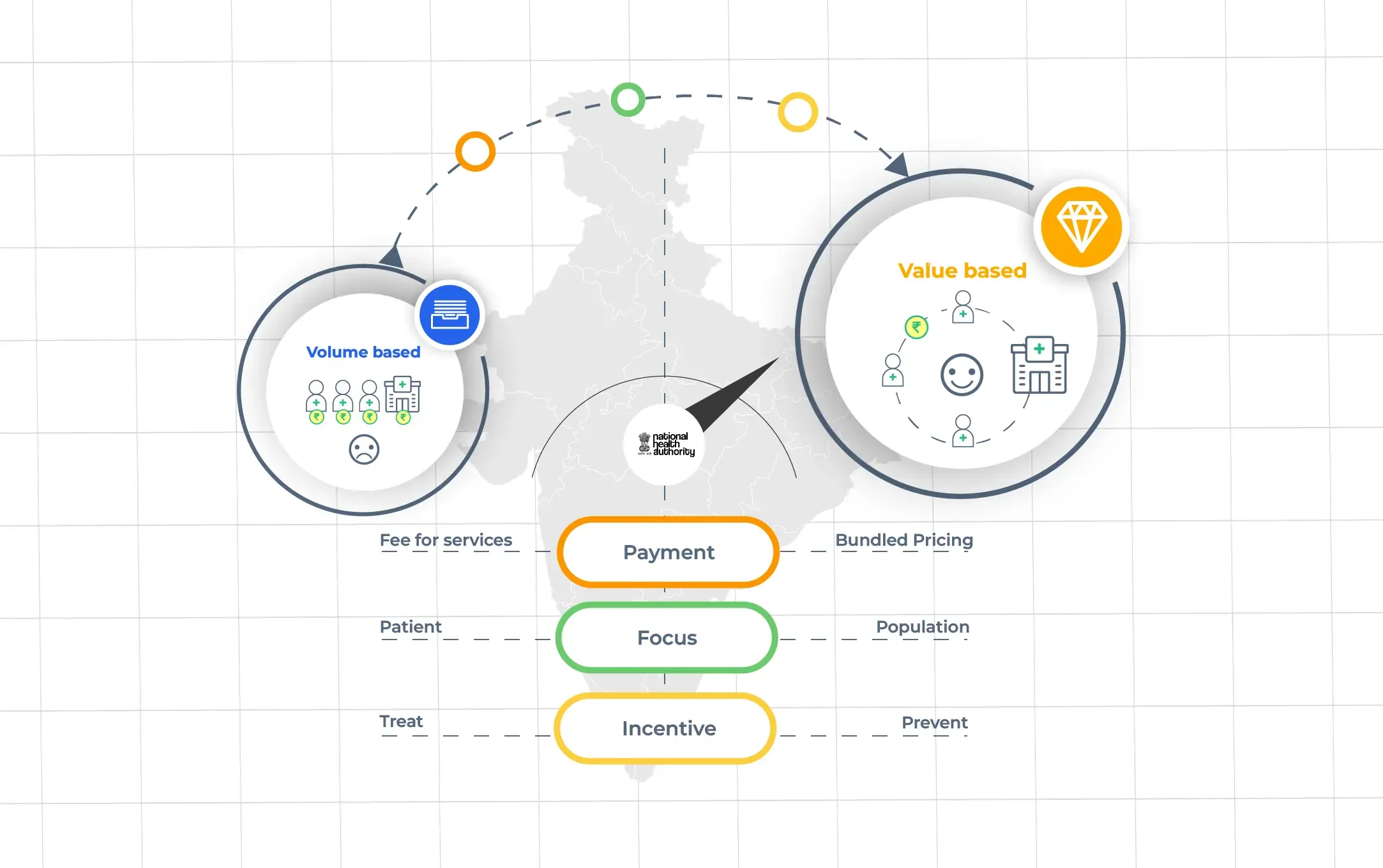
India's PM-JAY aims for value-based care with bundled pricing, tech access, and quality incentives for better health outcomes.
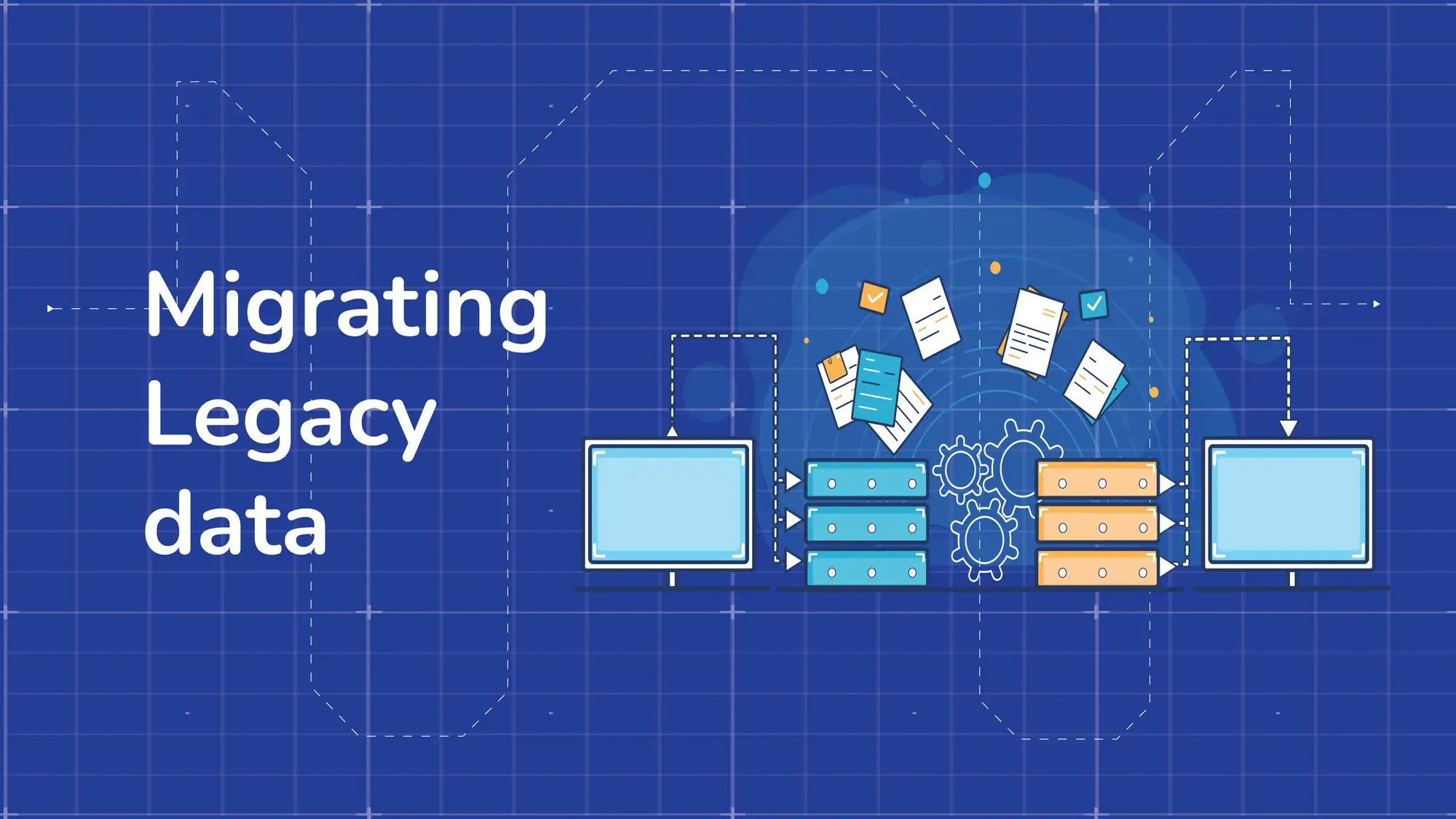
ETL (Extract, Transform, Load) moves data from legacy systems to FHIR, using Apache Debezium and Nifi for syncing databases in FHIR format.
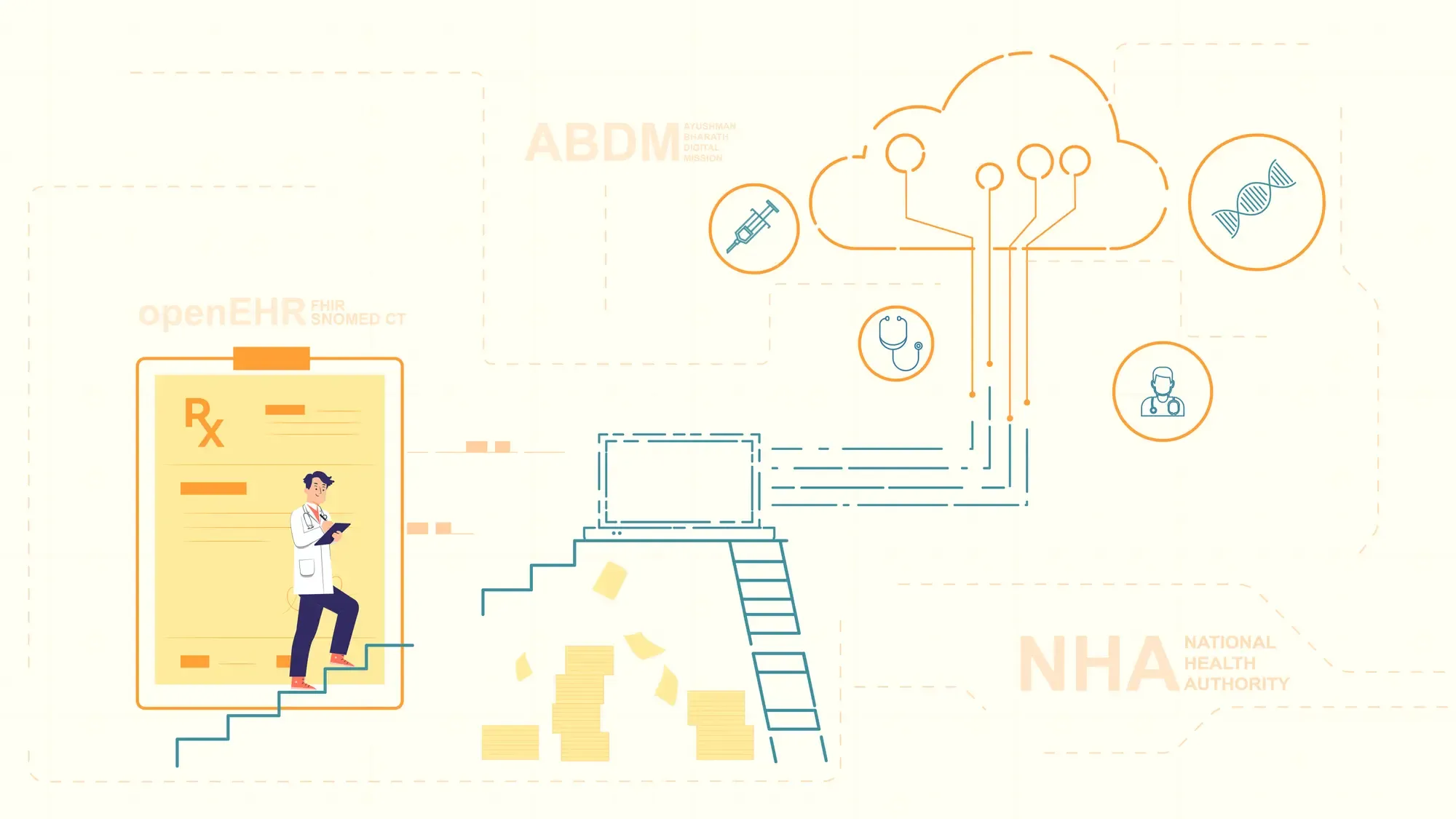
Medblocks digitizes India's healthcare, integrating EHRs with Ayushman Bharat, targeting skill gaps and advancing structured data.
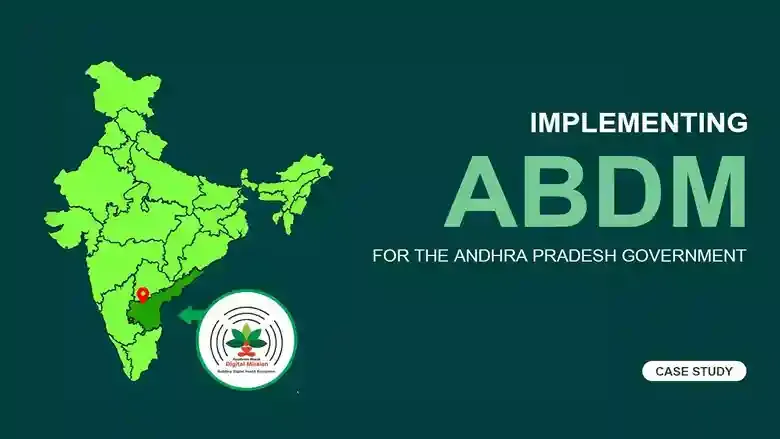
Medblocks implemented all 3 ABDM milestones for Andhra Pradesh's Health Ministry, overcoming API, webhook, encryption, and FHIR transformation challenges.
ABDM digitalizes India's healthcare with health IDs, interoperability, and data security, aiming for universal coverage via digital platforms.
openEHR standardizes health data with archetypes and templates for interoperability. Templates are built from Archetypes using the Archetype Designer Tool.
A beginner-friendly guide to navigating the openEHR CKM or Clinical Knowledge Manager, including searching, viewing and downloading clinical artefacts.
SNOMED allows creating extensions for missing terms, adhering to specific rules. Extensions can map to concepts or require post-coordination with namespace.
In this comprehensive guide to Clinical Knowledge Manager, understand how CKM drives openEHR's core principles of standardization and interoperability.
SMART on FHIR enables health apps to connect with EHRs securely, including OAuth2 and OpenID for authorization. It supports standalone and EHR app launches.
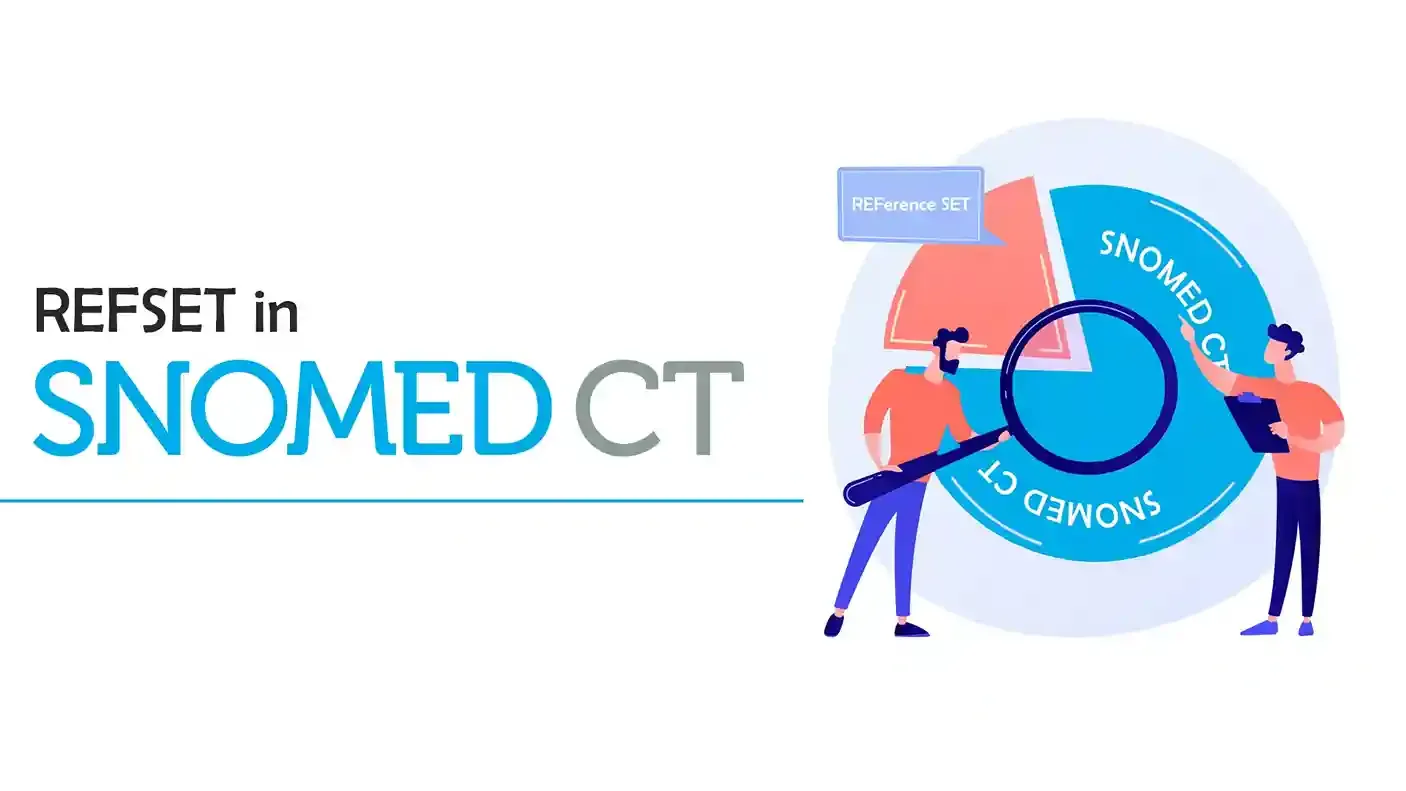
Refsets in SNOMED CT allow subsets for specific use cases, enabling standard compliance and external sharing with mandatory regeneration post-release.
CMS's Patient Access Rule mandates HL7 FHIR API for data access, provider directory, payer-to-payer exchange, and daily federal-state data exchanges.
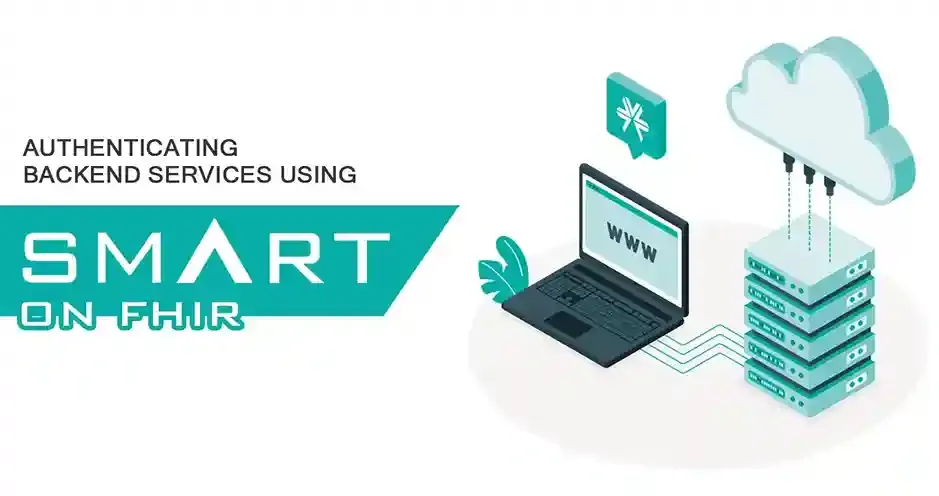
No user interaction needed. Learn both symmetric & asymmetric SMART on FHIR auth - OAuth2 client credentials, JWT assertions & JWK setup. Practical walkthrough.
FHIR leads healthcare interoperability, enabling secure data exchange. CMS/ONC initiatives like Blue Button 2.0 and BCDA utilize FHIR for Medicare data.

Medblocks evolved from blockchain to address healthcare data challenges using openEHR, FHIR, SNOMED, LOINC standards and OAuth2.
PHC system by Kyushu University & Grameen Communications uses eHealth and telemedicine, integrates openEHR and FHIR, serving 45,000+ patients since 2010.
Use SNOMED CT Browser for exploring clinical concepts, synonyms, relationships, and semantic tags. Supports ECL for advanced search and MRCM validation.
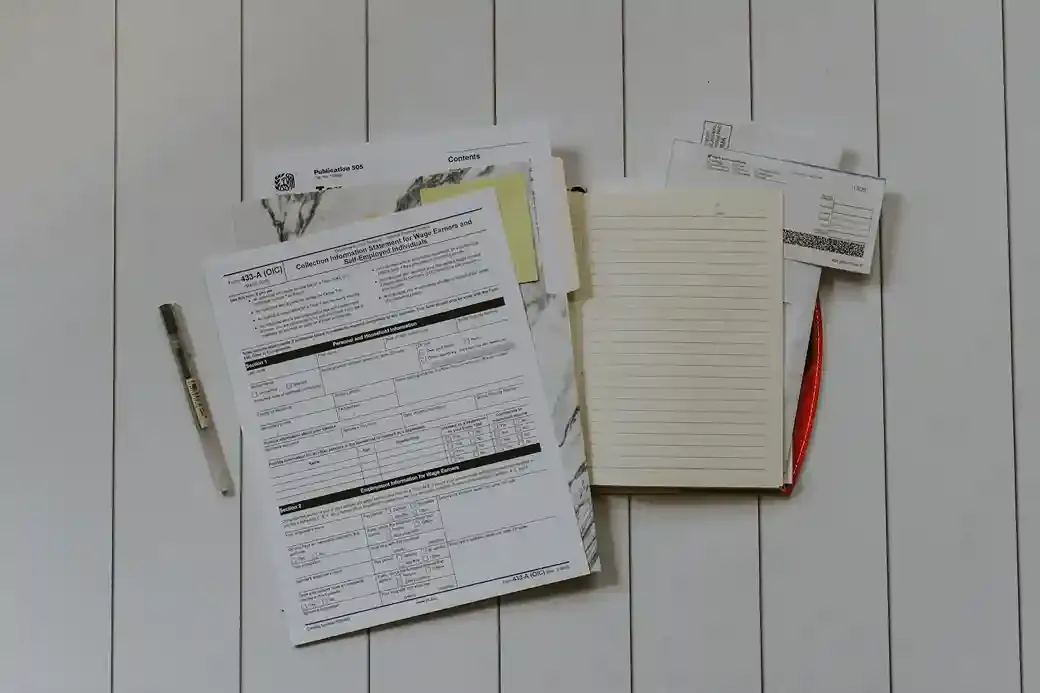
Medblocks UI, open-source alternative to Better EHR Studio for auto-generating forms from openEHR templates, now available under Apache 2 license.
Set up a SNOMED CT terminology server using Docker and Hermes: Clone Hermes, index SNOMED CT files, execute index.sh, start server with docker-compose up.
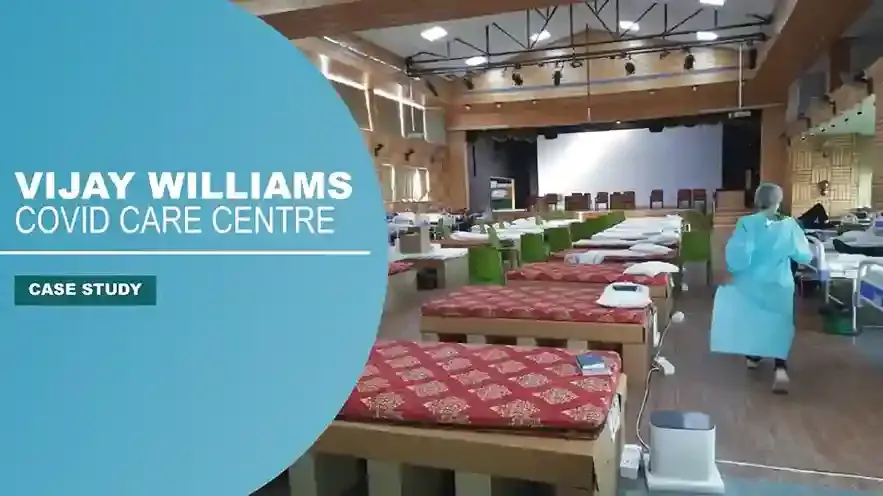
Dr. Sidharth and team developed a Covid care application for Dr. Sunil Gokavi's facility during the second wave, enhancing patient data analysis.

Exploring web components for front-end development, moving from Vue to Svelte for Medblocks UI, focusing on lit-html for framework-independent UI.